Eurail Luggage Policy: Rules, Size Limits & Fees (2026)
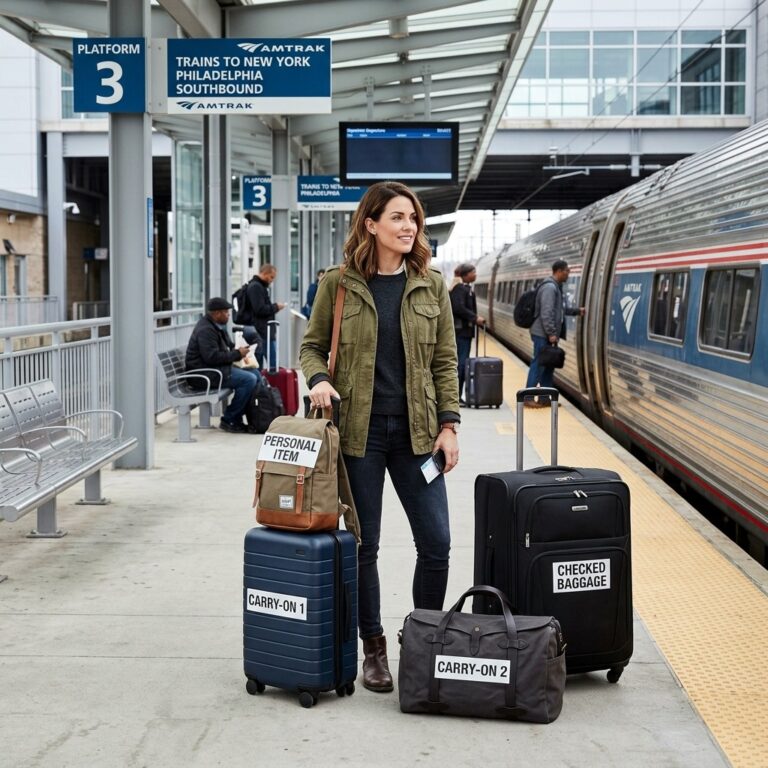
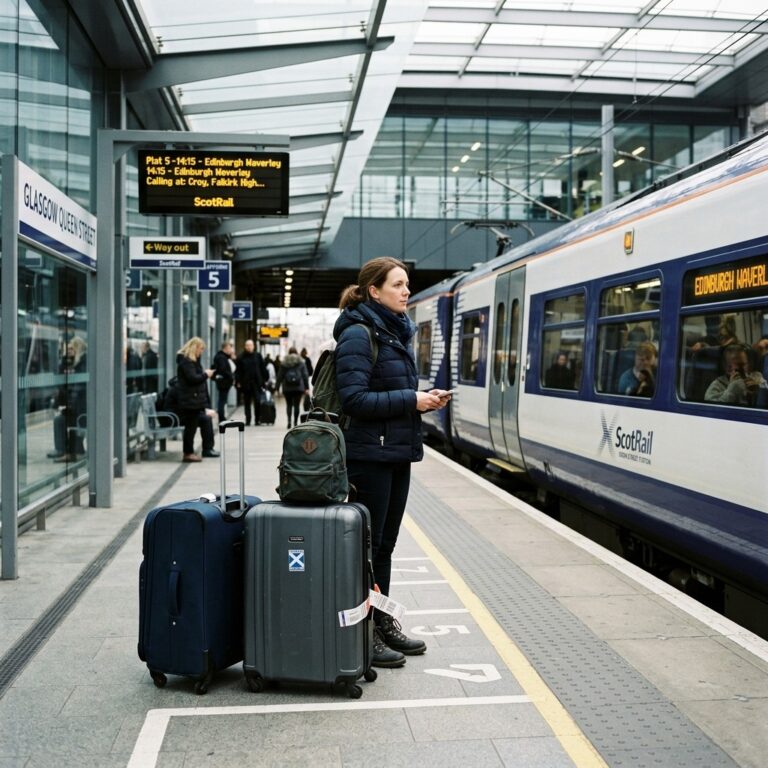
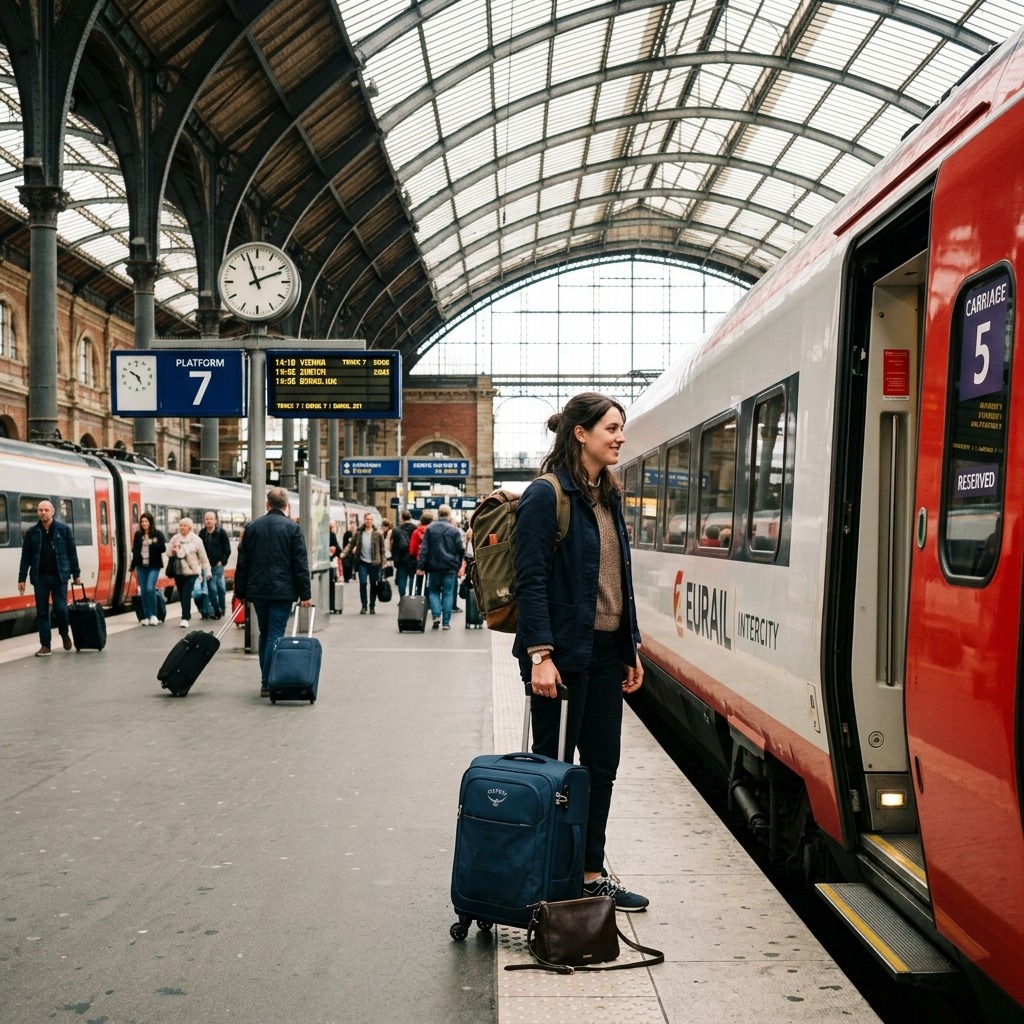
Eurail trains generally allow up to 3 items of luggage per passenger, with each piece measuring less than 85cm at its longest dimension. There are no universal weight limits passengers simply must be able to carry their own bags. However, rules vary significantly by operator, and fines for non-compliance can reach €150 on French TGV services.
Planning a multi-country rail trip through Europe is exciting. But nothing deflates that excitement faster than showing up at the platform with the wrong bag and facing a surprise fine. Unlike air travel, Eurail luggage rules aren’t printed on your ticket. They’re buried in the terms and conditions of each rail operator and they differ more than most travelers expect.
What Is the Standard Eurail Baggage Allowance?
The general Eurail baggage allowance, governed by the GTC-CIV (General Terms and Conditions for the International Carriage of Passengers by Rail), permits each passenger to carry a maximum of three items of luggage, with the greatest single dimension of each piece not exceeding 85cm. There is no universal weight limit the key rule is that passengers must be able to carry their own bags without assistance.
That’s the baseline. In practice, individual train operators set their own rules on top of this and some are significantly stricter.
|
Rule |
General Eurail Standard |
|
Max items per passenger |
3 |
|
Max single dimension |
85cm |
|
Weight limit |
None specified (carry unaided) |
|
Luggage check-in |
Not available |
|
Liability for loss/theft |
Passenger’s own responsibility |
What Is the Eurail Luggage Size Limit by Train Operator?
Eurail luggage size limits vary by operator, ranging from a generous 85x55x35cm on most high-speed trains to as strict as 75x30x30cm on Italo’s Smart fare class. The 85cm maximum dimension rule applies broadly, but dimensions and item counts differ enough between operators that checking your specific train before packing matters.
|
Operator |
Max Suitcase Size |
Max Items |
Hand Luggage |
|
Eurostar |
85cm longest side |
2 + 1 hand bag |
1 small item |
|
TGV INOUI (France) |
70 x 90 x 50cm |
2 suitcases |
40 x 30 x 15cm |
|
DB ICE (Germany) |
No fixed dimensions |
2 + 1 hand bag |
Fits overhead rack |
|
Renfe AVE (Spain) |
85 x 55 x 35cm |
3 total |
Included in count |
|
OBB (Austria) |
90 x 60 x 40cm |
No stated limit |
Included in dimensions |
|
OUIGO (Spain) |
55 x 35 x 25cm |
1 carry-on + 1 handbag |
36 x 27 x 15cm |
|
Italo (Italy) |
75 x 30 x 30cm (Smart) |
Not specified |
Use overhead rack |
|
RegioJet |
30 x 60 x 80cm |
1 standard + 1 hand |
15 x 25 x 35cm |
|
SNCB (Belgium) |
Not specified |
3 items |
Total max 30kg |
|
Lyria (France–Switzerland) |
130 x 90cm |
Hand luggage only |
— |
Key takeaway: OUIGO Spain is one of the most restrictive operators in Europe, essentially applying airline-style rules to rail. Lyria, operating between France and Switzerland, only permits hand luggage on board.
What Is the Eurail Luggage Weight Limit?
Most Eurail train operators do not enforce a fixed luggage weight limit. The dominant rule across Europe is that passengers must be able to carry, lift, and store their own luggage without staff assistance. However, some operators set specific maximums: Renfe AVE caps total weight across all three bags at 25kg, TGV France–Spain enforces a 25kg per-item limit, SNCB caps total luggage at 30kg, and RegioJet sets a 30kg limit per standard item.
- No weight limit but self-carry required: Eurostar, DB ICE, SBB (Swiss), Trenitalia, OBB, Avanti
- 25kg total weight limit: Renfe AVE (Spain), TGV France–Spain route
- 30kg total weight limit: SNCB (Belgium), RegioJet
- 30kg for sports equipment: Renfe AVE
If you’re stacking heavy photography gear, camping equipment, or winter sports kit across multiple bags, Renfe AVE and TGV cross-border services are the most likely to create problems.
What Are the Eurail Luggage Restrictions You Need to Know?
Eurail luggage restrictions cover item types and conditions that go beyond size and weight, including prohibited contents, how bulky items must be prepared, and specific bans on certain gear. These rules apply across most Eurail-covered operators.
Prohibited items across most operators:
- Explosive, flammable, toxic, radioactive, or corrosive materials
- Perishable food items (SBB specifically lists these)
- Hazardous chemicals or substances
Conditional items requiring special handling:
- Bicycles: Must typically be dismantled and packed in a bag; separate ticket often required
- Skis/snowboards: Must be in a labeled bag or cover on most operators
- Surfboards: Generally require advance inquiry; not accepted on Glacier Express
- Musical instruments: Allowed if within size limits; larger instruments may need a reserved space or extra ticket (Lyria now accepts double basses with a labelled soft case up to 1.95m)
- Motorized items: E-scooters banned on Lumo and Glacier Express; cargo e-bikes excluded from SBB transport
Note on labeling: Luggage labels with your name and address are mandatory on Eurostar, French TGV services, SBB Swiss trains, and DB ICE. Carry a durable label paper versions tear quickly during a multi-country trip.
How Much Luggage Are You Allowed to Take on a Train?
On most Eurail trains, you are allowed a maximum of three items of luggage per person, provided each piece does not exceed 85cm in its longest dimension and can be carried independently. In practice, most rail operators suggest one main bag plus one smaller carry-on as a practical limit based on available storage space.
The 3-item rule comes from the GTC-CIV international carriage framework. However, operators like Lyria limit you to hand luggage only, while budget services like OUIGO cap you at one carry-on plus one small handbag unless you pay for extra luggage from €5 to €9.
What Are the Excess Baggage Fees and Fines on Eurail Routes?
Unlike airlines, most Eurail operators don’t charge fees for excess luggage in advance they enforce rules at the point of boarding, sometimes with significant on-the-spot fines. Fines and fees vary widely by operator and are one of the most under-reported topics in competing guides.
|
Operator |
Excess Luggage Penalty |
|
TGV INOUI / INTERCITÉS |
€50 for 1 excess piece, €100 for 2, €150 for 3 or more |
|
IRYO (Spain) |
€40 fine enforced at boarding gate |
|
OUIGO Spain |
Extra baggage from €5–€9 (add online to avoid higher price at station) |
|
Lumo (UK) |
Up to half an adult standard fare for the full route |
|
Avanti West Coast (UK) |
May arrange courier at passenger’s expense for oversized items |
Real-world cost example: A traveler on the Paris–Lyon TGV INOUI route carrying an oversized suitcase plus two extra bags could face fines of €150 on the spot equivalent to the cost of a last-minute train ticket. On OUIGO Spain, adding extra luggage at the station instead of online costs significantly more than pre-booking it. Planning ahead is the only way to avoid these charges.
What Are the Eurail Luggage Rules for Bikes and Sports Equipment?
Bike and sports equipment rules on Eurail trains vary by country and individual service. Bikes must generally be dismantled, folded, or packed in a designated bag, and often require a separate ticket though prices and availability differ per operator and even per time of day.
- DB ICE (Germany): Bike reservations available; select “Carriage of bicycle” in the Deutsche Bahn search tool to filter eligible trains
- OBB (Austria): Skis, snowboards, and strollers carried free even if they exceed standard size limits
- Glacier Express / Bernina Express: Bicycles and electric scooters not permitted; luggage delivery service available instead
- SNCB (Belgium): Folded bikes allowed on board; scooters permitted
- Lumo (UK): Foldable bikes only (frame max 90x68x40cm, 20″ wheels); standard bikes not accepted
Sports gear like ski bags is often included within a passenger’s standard item count. On Renfe AVE, one pair of skis or one golf bag is allowed with a maximum weight of 30kg.
Where Can You Store Luggage at European Train Stations?
Most major European train stations offer self-service lockers, staffed left-luggage counters, or both. Prices depend on locker size and city and this is an area where competing guides often rely on outdated data.
|
Station |
Size Options |
Price (per 24 hours) |
Hours |
|
London St. Pancras |
Staffed only |
£7.50 (3 hrs) / £15 (24 hrs) |
07:00–23:00 |
|
Amsterdam Centraal |
Small / Large |
€7 / €11 |
05:00–00:45 |
|
Brussels Midi |
M / L / XL / XXL |
€6 / €8 / €10 / €12 |
24 hours |
|
Zurich Hbf |
S–XXL |
CHF5–CHF12 |
04:15–01:15 |
|
Rome Termini |
Staffed |
€7 flat rate |
07:00–21:00 |
|
Berlin Hauptbahnhof |
Lockers + staffed |
€5 per item |
06:00–22:00 |
|
Vienna Hbf |
S–Jumbo |
€2–€4.50 |
Varies |
|
Madrid Atocha |
S / M / L |
€3.10 / €3.60 / €5.20 |
05:30–22:20 |
Pro tip: At Amsterdam Centraal, Eurail mobile pass holders can access the locker gate using their QR code. At Paris Gare du Nord, all bags are X-rayed before entering the storage area including ones you’re not leaving behind.
When station lockers are full, app-based services that partner with nearby shops and hotels provide an overflow option. Choose providers with thousands of reviews, live availability, and clear pickup terms.
Do You Need to Label Your Luggage for Eurail Trains?
Luggage labeling is mandatory on certain Eurail-covered services and strongly recommended on all others. On Eurostar and all French TGV/INTERCITÉS services, labels showing the passenger’s full name are required. SBB Swiss trains require name, address, and phone number on every item. DB ICE trains also require all bags to be labeled.
A durable, waterproof label is worth the small investment for any multi-country Eurail trip.
What Are the Rules for Traveling with Pets on Eurail Trains?
Pet travel rules on Eurail trains differ significantly by country and operator. In most European countries, small dogs in carriers can travel free or for a minimal fee. Larger dogs typically require a half-price 2nd class ticket, regardless of the passenger’s travel class.
- Small dogs: Free or low charge; must be in a travel container in most countries
- Large dogs: Approximately half the 2nd class fare in most countries, even when you hold a 1st class Eurail pass
- Muzzle and leash: Usually required for dogs not in a container
- Guide dogs: Special provisions apply and generally travel free
- Some countries: Dogs not permitted at all always check the specific operator’s page before booking
Pack Smarter: Tips for Avoiding Fees and Problems on Eurail
- Stick to one main bag under 85cm and one compact carry-on to stay within the most permissive operators’ limits
- Weigh your bags if traveling on Renfe AVE, TGV France–Spain, or SNCB weight limits are enforced
- Label every bag before boarding any service, particularly in France, the UK, and Switzerland
- Book extra baggage online if using OUIGO Spain on-the-spot upgrades cost more
- Dismantled bikes must be in a bag before boarding; confirm bike acceptance before booking
- Arrive early at stations with luggage storage locker banks fill quickly at major hubs during peak travel
Frequently Asked Questions
How many bags can you take on a Eurail train?
Most Eurail trains allow up to three items of luggage per passenger under the GTC-CIV standard. However, budget operators like OUIGO limit passengers to one carry-on plus one small handbag unless extra luggage is purchased in advance.
Is there a weight limit for Eurail train luggage?
Most operators impose no fixed weight limit but require passengers to carry their own bags. Exceptions include Renfe AVE and TGV France–Spain (25kg per item) and SNCB Belgium and RegioJet (30kg total).
What happens if your bag is too big on a TGV train?
On TGV INOUI and INTERCITÉS services, fines are applied at boarding: €50 for one non-compliant piece, €100 for two, and €150 for three or more.
Can you take a suitcase on Eurail overnight trains?
Yes. Night trains generally follow the same 3-item, 85cm maximum rule. Storage is available in compartments and at the ends of carriages. However, space is more limited on couchette services, so traveling with one main bag is strongly advised.
Can you store luggage at European train stations if you’re exploring a city during a layover?
Yes. Major stations like Amsterdam Centraal (€7–€11), Brussels Midi (€6–€12), and Zurich Hbf (CHF5–CHF12) offer self-service lockers by the 24-hour period. Vienna Hbf is the most affordable, starting at €2 for a small locker.
Are bikes allowed on Eurail trains?
Bikes are permitted on many, but not all, Eurail-covered services. Rules vary by country and train. Dismantled bikes must be packed in a bag. A separate bike ticket is often required. Bikes are entirely banned on Glacier Express, Bernina Express, and Lumo (non-folding bikes).
Do Eurail rules cover e-scooters and e-bikes?
Standard e-scooters are banned on Lumo and Glacier Express. Cargo e-bikes are excluded from SBB Swiss transport due to size and weight. Foldable e-bikes may be accepted on some services confirm with the specific operator before travel.
Does labeling luggage actually matter on Eurail trains?
Yes on Eurostar, all French train services, SBB Swiss trains, and DB ICE, luggage labels are mandatory, not optional. Unlabeled bags on French services can result in enforcement action during on-board checks.
What is the cheapest station for luggage storage in Europe?
Vienna Hbf is among the most affordable, with small locker rates starting at €2 per 24 hours. Madrid Atocha starts at €3.10 for a small locker. Berlin Hauptbahnhof charges a flat €5 per item regardless of size.
Can you add extra luggage to a OUIGO ticket after booking?
Yes, but it costs more. Extra baggage on OUIGO Spain can be added from €5 to €9 when booked in advance online, but adding it at the station or on board is significantly more expensive. Book the upgrade at the same time as your ticket to get the lowest price.

Muhammad Naeem is a travel researcher with 5+ years of experience analyzing airline rules and global travel regulations. He specializes in simplifying complex airline policies to help travelers avoid extra fees and fly with confidence. His work focuses on accuracy, clarity, and up to date information across international carriers.