Flying With Fido: The Complete Alaska Airlines Pet Policy
Traveling with a pet requires careful planning, especially when navigating airline rules. Alaska Airlines stands out as a highly pet-friendly carrier, offering robust options for both in-cabin and cargo travel. Understanding the specific regulations of the Alaska Airlines pet policy ensures a safe and comfortable journey for your animal companion.
How does in-cabin pet travel work on Alaska Airlines?
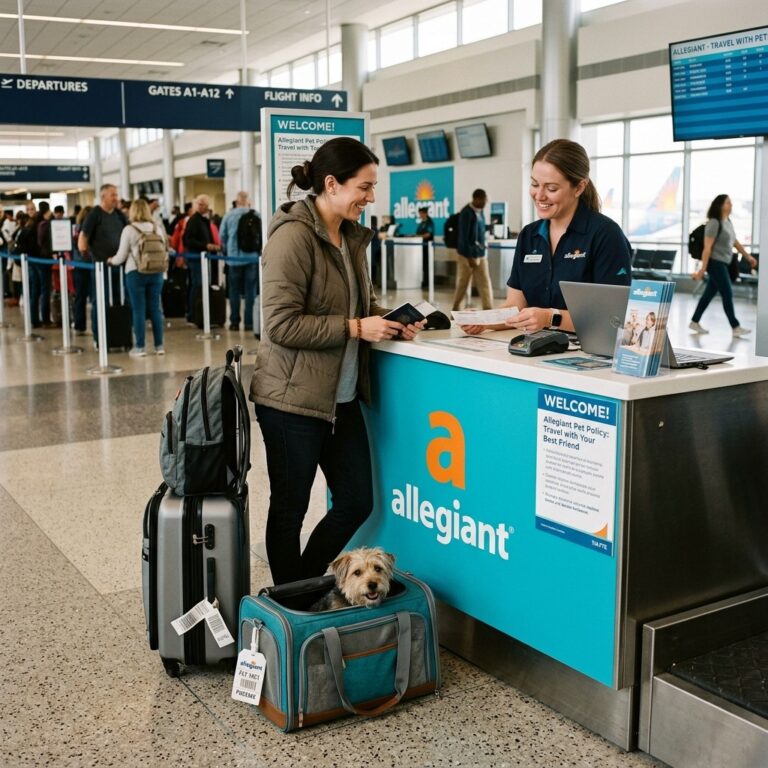
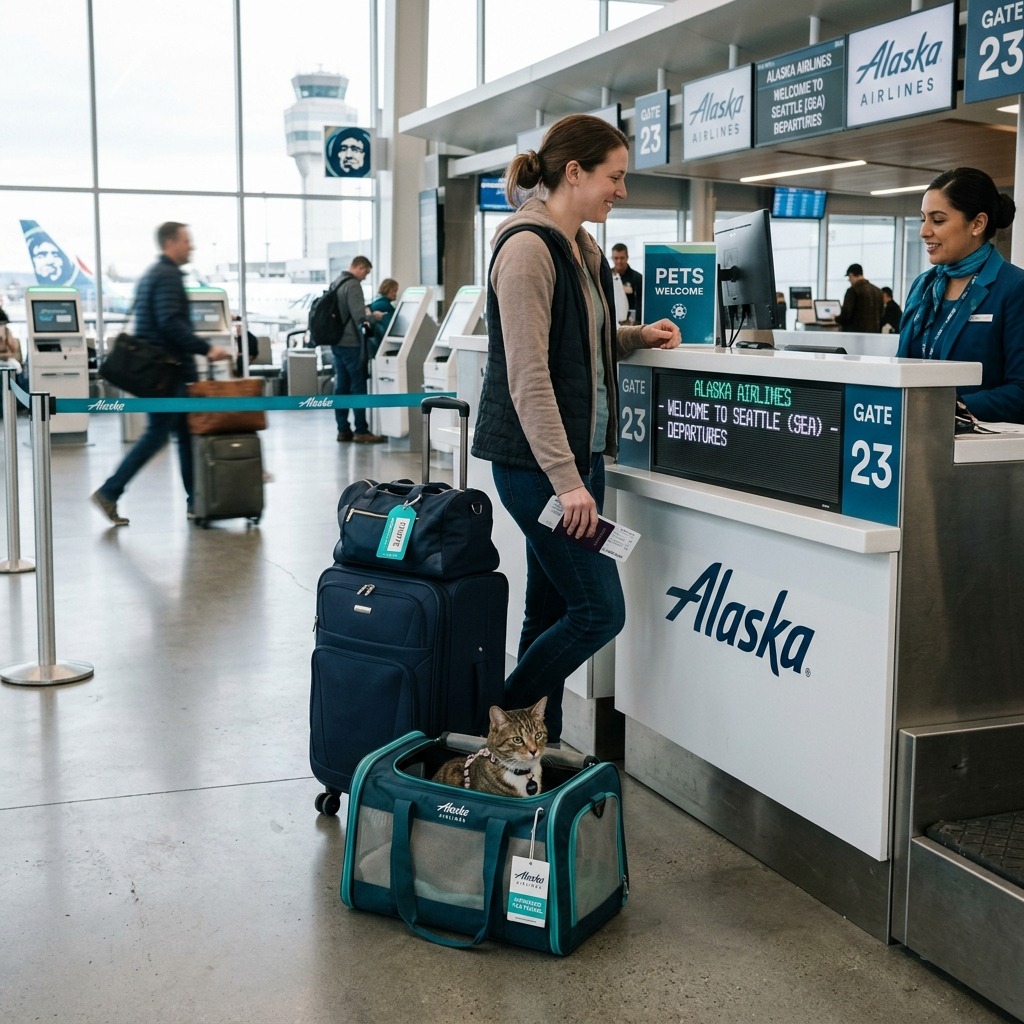
Alaska Airlines permits dogs, cats, rabbits, and household birds in the cabin if they fit in an approved under-seat carrier. The combined weight of the pet and carrier cannot exceed 20 pounds. The fee is $100 each way, and passengers must book early due to strict cabin limits.
What are the carrier requirements for cabin pets?
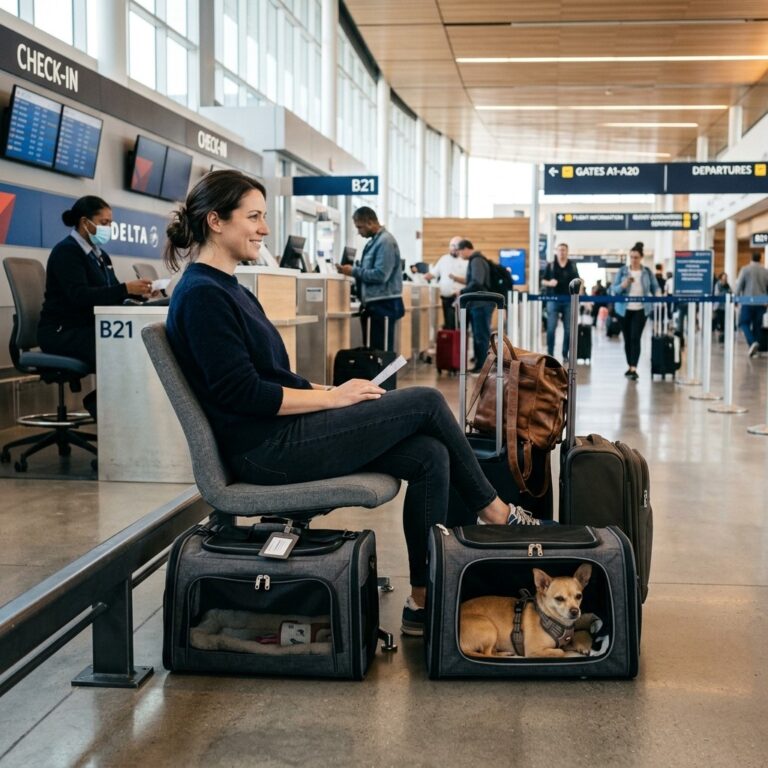
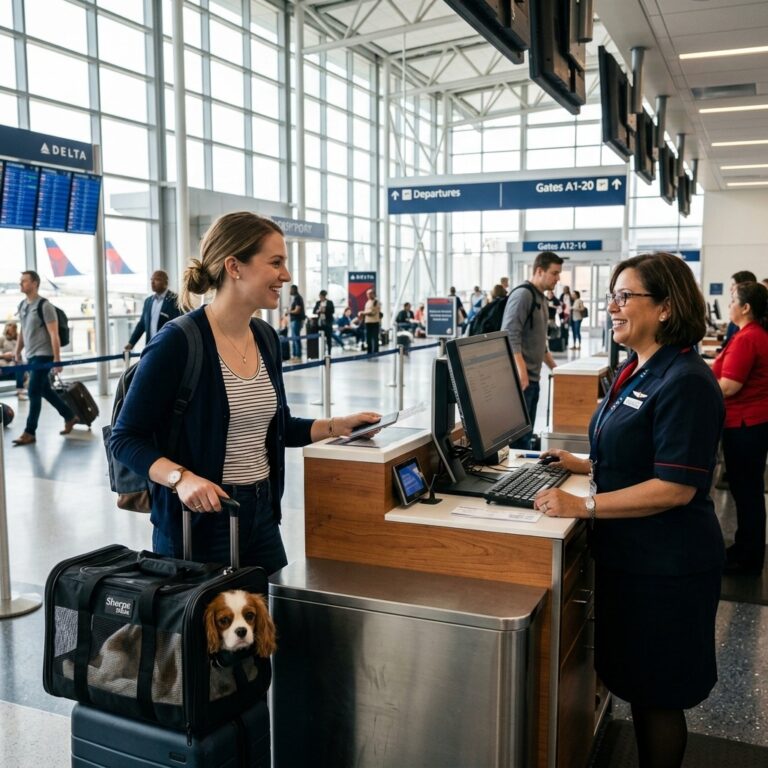
For your pet to fly in the cabin, they must remain inside an approved carrier for the entire flight. The carrier must be well-ventilated, leak-proof, and small enough to fit completely under the seat in front of you. Alaska Airlines accepts both hard-sided and soft-sided carriers, but soft-sided options offer slightly more flexibility to compress under airplane seats.
Alaska Airlines Pet Carrier Size Limits
|
Carrier Type |
Maximum Length |
Maximum Width |
Maximum Height |
|
Hard-sided |
17 inches |
11 inches |
7.5 inches |
|
Soft-sided |
17 inches |
11 inches |
9.5 inches |
Up to two pets of the same species and similar size can share a single carrier, provided they can stand up and turn around comfortably. The total combined weight of the pets and the carrier must stay under 20 pounds.
What are the limits on cabin availability?
Space for in-cabin pets is strictly limited. Alaska Airlines allows a maximum of three pet carriers in First Class and eight pet carriers in the Main Cabin per flight. Because spots fill up quickly, you should reserve your pet’s space immediately after booking your passenger ticket.
What are the rules for pets in checked baggage on Alaska Airlines?
Pets too large for the cabin can fly in the climate-controlled baggage compartment for $100 to $150 each way. The combined weight of the pet and kennel must not exceed 150 pounds. Travel is restricted during extreme weather when temperatures exceed 85°F or drop below 45°F.
Which pets are eligible for checked baggage?
If your dog or cat exceeds the 20-pound cabin limit, they must travel in the cargo hold. Alaska Airlines transports these animals in a pressurized, climate-controlled compartment. To fly in baggage, pets must be at least eight weeks old and fully weaned.
You must provide a sturdy, non-collapsible, escape-proof kennel with food and water bowls attached to the inside doors. The kennel must allow the animal to stand, turn around, and lie down naturally.
What are the breed and weather restrictions?
Alaska Airlines prioritizes animal safety, which means certain restrictions apply based on breed and climate. Brachycephalic (short-nosed) breeds, such as Pugs, Bulldogs, and Persian cats, cannot travel in the baggage compartment due to respiratory risks at high altitudes.
Additionally, pets cannot travel in the cargo hold if the temperature at the departure, connection, or arrival city exceeds 85°F (29.5°C). If temperatures fall below 45°F (7°C), you must provide a certificate of acclimation from a licensed veterinarian stating your pet can handle colder conditions.
Alaska Airlines Pet Shipping Cost Breakdown
|
Travel Type |
Standard Fee |
Discounted Fee (Alaska/Military) |
|
In-Cabin |
$100 |
$100 |
|
Checked Baggage |
$150 |
$100 |
|
Pet Connect Cargo |
Varies by weight/route |
Varies by weight/route |
How does the Alaska Air Cargo Pet Connect program operate?
The Pet Connect program safely transports pets flying without a human passenger. Managed by Alaska and Hawaiian Air Cargo, this service requires advance booking and a veterinarian-issued health certificate. Costs vary by weight and destination, with specific rules for Hawaiian and international routes.
What are the specifics for cargo pet travel?
The Pet Connect program is ideal for relocations where the owner cannot fly on the same aircraft. For travelers integrating flights across networks, understanding the hawaiian airlines pet cargo cost and the alaska airlines pet shipping cost is vital. Prices depend on the size of the kennel and the routing. If you need to coordinate complex routes, you can reach out via the hawaiian airlines pet cargo phone number to confirm current embargoes and fees.
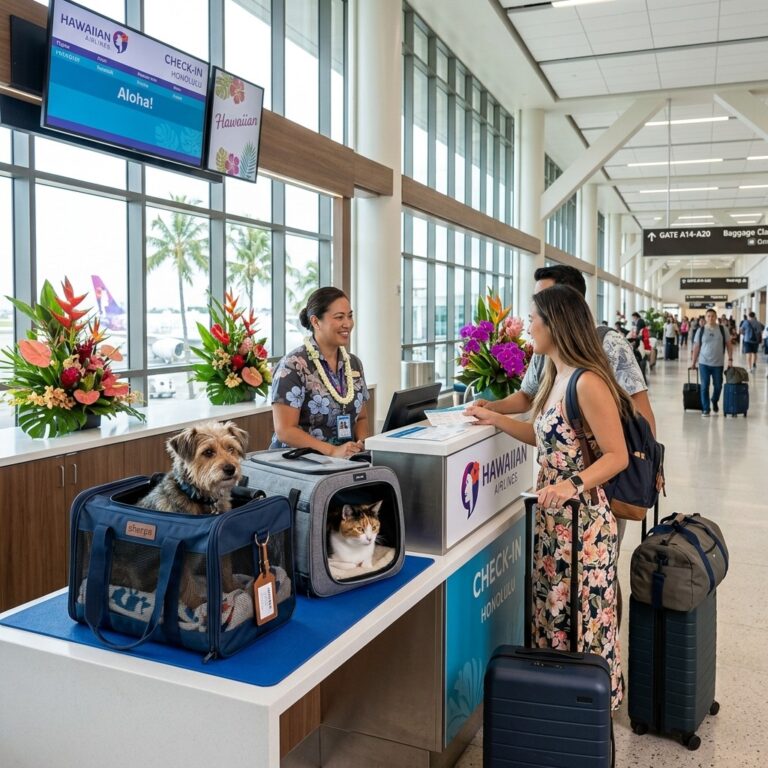
Under the hawaiian airlines pet policy international rules, cargo travel requires meticulous documentation, especially when importing animals into strict quarantine zones. While short-nosed dogs are generally banned from cargo, a rare exception exists for short-nosed breeds traveling strictly to or from Hawaii on direct flights, provided they use a kennel one size larger than standard.
What is the Alaska Airlines policy for service dogs and ESAs?
Alaska Airlines allows fully trained service dogs to fly in the cabin for free without a carrier. Handlers must submit a DOT Service Animal Form prior to travel. Since 2021, Emotional Support Animals (ESAs) are classified as regular pets and must follow standard cabin rules and pay the $100 fee.
How do service animals fly?
Service dogs trained to perform specific tasks for a person with a disability travel free of charge. Alaska Airlines permits up to two service dogs per passenger. The dogs must fit within the handler’s foot space and behave appropriately in public. Advance notification is required; you must fill out and submit the US Department of Transportation Service Animal Air Transportation Form at least 48 hours before your flight.
How are Emotional Support Animals treated?
Due to regulatory changes by the Department of Transportation, Alaska Airlines no longer recognizes ESAs as service animals. If you have an ESA, you must book them as an in-cabin pet, pay the standard pet fee, and ensure they stay inside an approved under-seat carrier for the entire flight.
What are the requirements for international and Hawaii pet travel?
Alaska Airlines limits international and Hawaii-bound pet travel strictly to dogs and cats. Travel to Hawaii requires compliance with strict state quarantine laws, including rabies titer testing and specialized health certificates issued weeks in advance.
Hawaii maintains a rabies-free ecosystem and enforces rigid entry requirements. To avoid lengthy quarantines upon arrival in Honolulu or Maui, pet owners must participate in the Direct Release program. This requires securing a health certificate, passing a rabies blood test, and submitting documentation to the Hawaii Department of Agriculture long before the travel date.
For international destinations like Mexico or Canada, you must verify the specific import requirements of the destination country, which typically include international microchips and certified vaccination records.
How can you ensure a smooth pet travel experience?
To guarantee a seamless trip, book your pet’s reservation early, secure a vet-issued health certificate within ten days of travel, and acclimate your pet to their carrier weeks before the flight. Avoid feeding your pet a large meal right before takeoff.
Follow these practical steps to minimize travel stress for your animal:
- Acclimate early: Leave the travel carrier open in your home for several weeks so your pet views it as a safe space.
- Skip the sedatives: The American Veterinary Medical Association advises against sedating pets for air travel, as it can impair their natural ability to regulate body temperature and balance.
- Manage meals: Feed your pet a light meal about four hours before departure. Do not overwater them right before boarding.
- Visit the relief area: Utilize airport animal relief areas immediately before going through security and right after landing.
Frequently Asked Questions
How much does a dog cost on Alaska Airlines?
Flying a dog in the cabin on Alaska Airlines costs $100 each way. If the dog travels in the checked baggage compartment, the fee is generally $150 each way.
Is Alaska Airlines strict about pet carrier size?
Yes, Alaska Airlines strictly enforces carrier sizes. Hard-sided carriers cannot exceed 17″ x 11″ x 7.5″, and soft-sided carriers cannot exceed 17″ x 11″ x 9.5″. The carrier must fit completely under the seat.
Can my 20 lb dog fly with me?
Yes, your 20 lb dog can fly in the cabin only if the combined weight of the dog and the carrier does not exceed 20 pounds, and the dog fits comfortably inside the required under-seat carrier.
Can I buy my 50 lb dog a seat on a plane?
No, Alaska Airlines does not allow passengers to buy an extra seat for large pets. A 50 lb dog must travel in a secure kennel in the climate-controlled baggage compartment.
What does my dog need to fly on Alaska Airlines?
Your dog needs an approved travel carrier or kennel, an advance reservation, and payment of the pet fee. Dogs flying in cargo or internationally also require a vet-issued health certificate.
What is the cheapest month to fly Alaska Airlines?
Historically, January and February are the cheapest months to fly on Alaska Airlines, as demand drops significantly immediately following the busy holiday travel season.

Muhammad Naeem is a travel researcher with 5+ years of experience analyzing airline rules and global travel regulations. He specializes in simplifying complex airline policies to help travelers avoid extra fees and fly with confidence. His work focuses on accuracy, clarity, and up to date information across international carriers.