Why Are Flights So Expensive in 2026? When Prices Will Drop
U.S. airfares are up 26.5% year-over-year as of June 2026, driven primarily by jet fuel prices that are 70% higher than last year due to geopolitical disruptions, reduced airline competition, and rising ancillary fees. Prices are unlikely to fall significantly before late 2026 or early 2027. Booking 1–3 months ahead for domestic and 2–8 months ahead for international gives you the best odds of a lower fare.
You searched for a flight. You saw the price. You closed the tab.
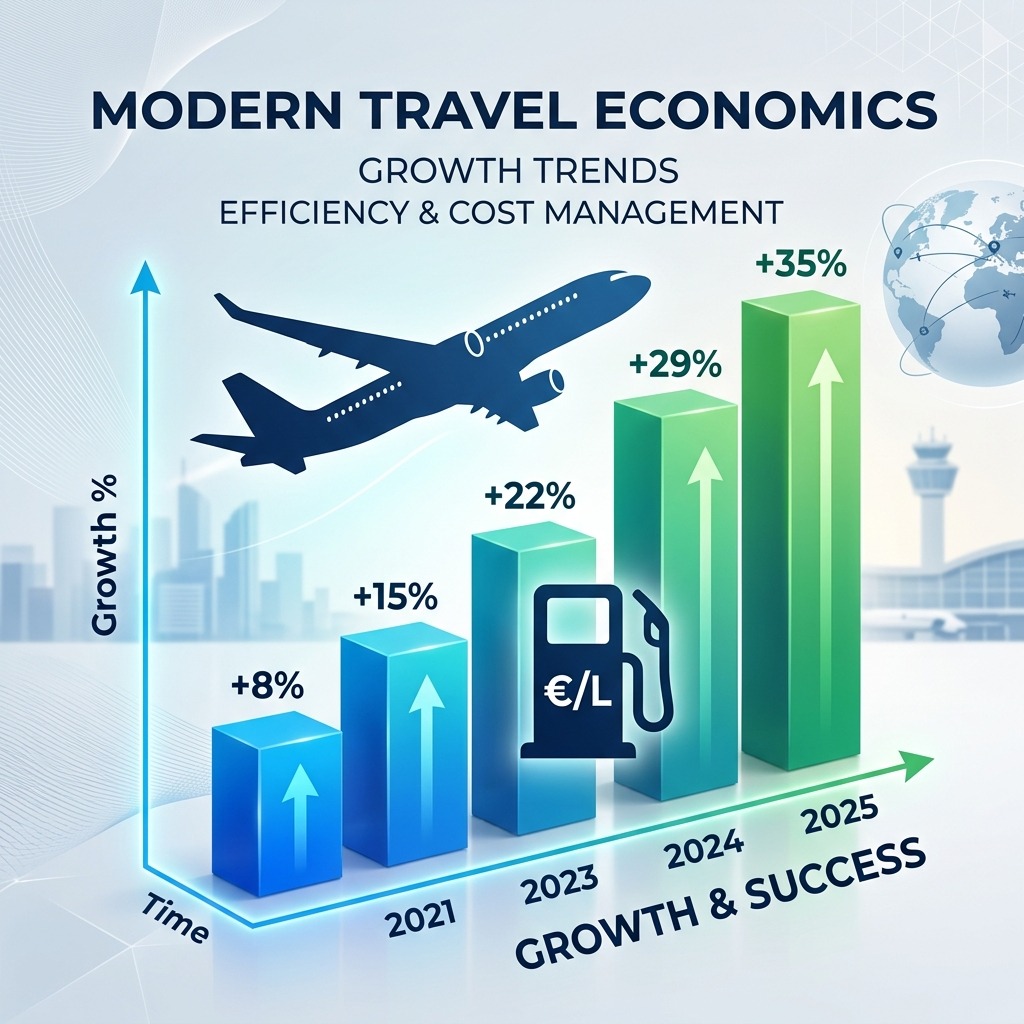
If that sounds familiar, you’re not imagining things. U.S. airfares surged 26.5% in the 12 months to June 2026, according to Bureau of Labor Statistics data analyzed by NerdWallet one of the sharpest year-over-year jumps since the post-pandemic travel rebound. Overall U.S. travel costs are now 10% higher than this time last year and 20% above pre-pandemic levels.
Why Are Flights So Expensive in 2026?
Flights are expensive in 2026 primarily because jet fuel prices have surged 70% compared to 2025, driven by the closure of the Strait of Hormuz following the Iran conflict. This has forced airlines to absorb an estimated $100 billion in extra fuel costs, with no realistic option other than passing those costs on to passengers.
Jet fuel typically accounts for up to one-third of an airline’s total operating costs. When that cost spikes overnight, every other lever an airline can pull cutting routes, reducing seat capacity, raising base fares gets pulled simultaneously.
“High oil prices will inevitably mean higher ticket prices,” said Willie Walsh, Director General of the International Air Transport Association (IATA), at IATA’s 2026 summit in Rio de Janeiro. “There’s just no way to avoid that.”
But fuel alone doesn’t explain the full picture. Here’s a complete breakdown of the forces at work:
The Core Drivers at a Glance
|
Cost Driver |
Impact on Fares |
Severity in 2026 |
|
Jet fuel (Iran war / Hormuz closure) |
Direct fare increases |
Very High fuel up 70% YoY |
|
Reduced airline competition |
Less price pressure |
High Spirit Airlines shut down May 2026 |
|
Ancillary fee creep |
Hidden cost increases |
High $150B+ in ancillary revenue in 2024 |
|
Labor and operational costs |
Structural cost floor |
Moderate ongoing from post-pandemic settlements |
|
Strong demand |
Yields stay elevated |
Moderate global traffic still up 2% |
Fuel Costs: The Biggest Culprit
The closure of the Strait of Hormuz in March 2026, following the escalation of the Iran conflict, choked off a major global oil supply route. IATA estimates airlines collectively face $100 billion in additional fuel costs in 2026 alone costs that will directly halve industry-wide profits from ~$46 billion to an estimated $23 billion.
British Airways CEO Sean Doyle was direct at the IATA summit: “There’s no getting away from it if fuel goes up, fares have to go up.”
Long-haul routes and business class seats are absorbing the largest increases. Short-haul leisure routes are being protected somewhat longer, but not indefinitely.
Reduced Competition: The Spirit Airlines Effect
Spirit Airlines shut down operations on May 2, 2026, citing unsustainable fuel costs. This is consequential beyond one carrier’s closure. Spirit had long served as a pricing anchor on hundreds of domestic U.S. routes its low base fares forced legacy carriers to offer competitive prices on the same corridors.
Aviation experts have noted that without low-cost competition on key routes, particularly out of Southern California, Florida, and the Northeast, other airlines now have significantly more pricing power. When a competitor exits a route, fares on that route almost always rise.
The Ancillary Fee Multiplier: What Your Ticket Price Doesn’t Show
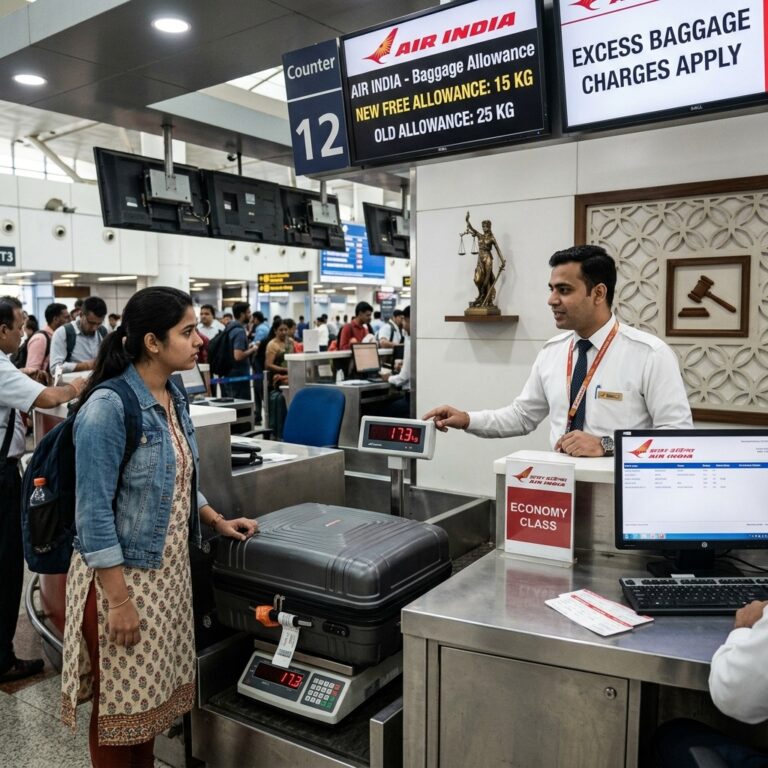
Airlines generated approximately $150 billion in ancillary revenue globally in 2024, according to FCM Travel revenue from fees that sit entirely outside the base fare data tracked by the Bureau of Labor Statistics. This is a critical blind spot in most airfare coverage.
What this means in practice: A $49 Spirit base fare frequently cost $180+ once you factored in carry-on baggage ($35–$60), seat selection ($15–$25), and checked bags ($40–$60 each way). With Spirit gone, those “cheap” routes now show higher base fares but the total cost gap between carriers may be smaller than it appears.
Real-world cost comparison:
|
Fee Type |
Budget Airline |
Legacy Carrier |
|
Base fare |
$79 |
$189 |
|
Carry-on bag |
$55 |
Included |
|
Seat selection |
$25 |
Included |
|
Checked bag (1) |
$50 |
Included |
|
Total cost |
$209 |
$189 |
Always calculate your all-in cost before assuming a budget carrier is cheaper.
Will Airline Prices Go Down in 2026?
Airline prices are unlikely to drop significantly across 2026. IATA and industry executives expect fares to remain elevated as long as fuel costs stay high which analysts project will persist until at least late 2026, even if the Strait of Hormuz situation resolves. Month-over-month, fares fell 1.8% from May to June 2026, but year-over-year comparisons remain starkly elevated.
Before the Iran conflict escalated, American Express Global Business Travel’s Air Monitor 2026 (published November 2025) forecast airfares to remain broadly stable through the year not dramatically higher, but not lower either. The fuel shock fundamentally changed that baseline.
Key conditions that would need to be met for fares to fall:
- Hormuz reopens and oil markets stabilize analysts note oil and gas are unlikely to return to pre-war prices for months even after any resolution
- New low-cost carriers enter routes vacated by Spirit this takes 12–24 months to materially impact competition
- Fuel hedges expire for airlines that locked in higher prices structural lag of 6–12 months
- Demand softens global traffic is still growing at 2%, reducing this as a near-term catalyst
The month-over-month dip of 1.8% in June 2026 is worth watching, but a single month’s movement does not indicate a trend reversal.
Will International Flight Prices Go Down in 2026?
International flight prices are also unlikely to fall broadly in 2026. Long-haul routes particularly those involving Gulf hub connections through the Middle East have been most disrupted. European intra-continental fares are up 3.4% for economy and 4.8% for business class. North America-to-Asia economy fares had been forecast to fall 5.7%, but the fuel shock has complicated that picture.
Before the Iran conflict, GBTA’s Air Monitor 2026 had projected some positive news for economy travelers on international routes:
|
Route (Economy Class) |
Pre-War 2026 Forecast |
|
North America ↔ North America |
-0.5% |
|
North America ↔ Europe |
-1.5% |
|
North America ↔ Asia |
-5.7% |
|
Europe ↔ Europe |
+3.4% |
|
Europe ↔ Middle East |
+2.5% |
Source: American Express Global Business Travel Air Monitor 2026 (November 2025 forecast)
Those economy-class forecasts for North America–Europe and North America–Asia routes reflected genuine capacity additions before the fuel shock. Whether those improvements hold depends entirely on how long high oil prices persist.
More British and European travelers are currently flying within the continent rather than venturing farther afield, according to IATA, due to continued uncertainty around Gulf hubs. This is compressing intra-European supply and keeping those fares elevated.
When Is the Best Time to Book Flights in 2026?
The best time to book domestic flights in 2026 is 1–3 months before departure (3–5 months for peak seasons). For international flights, book 2–8 months in advance, or 4–10 months ahead for peak travel periods. Waiting for last-minute deals is a high-risk strategy airlines’ dynamic pricing algorithms are more likely to raise fares as departure approaches than lower them.
Optimal Booking Windows
|
Flight Type |
Off-Peak |
Peak (Summer/Holidays) |
|
Domestic |
1–3 months ahead |
3–5 months ahead |
|
International |
2–8 months ahead |
4–10 months ahead |
|
International (budget find) |
Up to 1 year ahead |
6–12 months ahead |
Source: Going.com, July 2026
5 Strategies to Reduce Your Airfare in 2026
- Fly Tuesday, Wednesday, or Saturday. These are consistently the cheapest departure days. Shifting a Friday international departure to Wednesday can save $80–$150 on the same route.
- Check alternate airports. Flying from Oakland instead of SFO, or Newark instead of JFK, can save $100–$200. The same principle applies internationally (London Gatwick vs Heathrow, etc.).
- Choose one-stop over nonstop. A layover routing on the same long-haul international route can be $100–$300 cheaper. Some airlines even offer free city stopovers.
- Calculate all-in cost before booking budget carriers. Add baggage, seat, and carry-on fees before assuming a low base fare is actually cheaper.
- Use fare alert tools strategically. Tools like Going, Google Flights, and Skyscanner serve different purposes. Going surfaces genuine deals and mistake fares. Google Flights provides date-flexibility views. Skyscanner covers low-cost carriers that Google sometimes excludes.
The Outlook: What Needs to Change for Fares to Fall
There is no single switch that will flip airfares back to 2024 levels. Several structural changes would need to align:
- A sustained drop in oil prices following geopolitical resolution
- New low-cost carrier entry on routes vacated by Spirit
- Moderation in demand growth currently not occurring at 2% global traffic growth
- Supply chain improvements enabling faster aircraft deliveries and lower maintenance costs
Delta Air Lines CEO Ed Bastian noted in a recent earnings call that airfares have not even risen at the pace of overall inflation since the pandemic suggesting, from an airline perspective, that current prices represent a correction rather than an overreach.
Frequently Asked Questions
Why are flights so expensive right now in summer 2026?
U.S. airfares are 26.5% higher than summer 2025, driven by jet fuel costs that are 70% above last year’s levels following the closure of the Strait of Hormuz. Combined with the shutdown of Spirit Airlines and persistently strong travel demand, airlines have both higher costs and reduced competitive pressure a combination that keeps fares elevated.
Will airline ticket prices drop before the end of 2026?
A significant, broad drop is unlikely before late 2026 at the earliest. Month-over-month, fares dipped 1.8% from May to June 2026, but analysts note that oil prices may take months to normalize even if the Strait of Hormuz reopens. Travelers should not wait for a major correction before booking.
Are international flight prices higher than domestic in 2026?
It depends on the route. Long-haul routes through Middle Eastern hubs have been most affected. North America–Europe and North America–Asia economy routes were forecast to be cheaper in 2026 before the fuel shock, but those savings have been partially or fully wiped out. Intra-European fares are up 3.4% in economy and 4.8% in business class.
Why did Spirit Airlines closing affect flight prices?
Spirit Airlines shut down on May 2, 2026, after rising fuel costs made operations untenable. Spirit’s low base fares had historically anchored pricing on hundreds of domestic routes, forcing legacy carriers to compete. Without that competitive pressure, airlines on those routes now have significantly more power to raise fares.
What day of the week is cheapest to fly in 2026?
Tuesdays, Wednesdays, and Saturdays are consistently the cheapest days to fly. Shifting an international departure from Friday to Wednesday can save $80–$150 with no other changes to your itinerary. Friday and Sunday remain the most expensive departure days.
Is it cheaper to book last-minute flights in 2026?
Rarely. Airlines’ dynamic pricing algorithms increase fares as the departure date approaches especially within the final three weeks. Last-minute deals exist but are the exception, not the rule, and are more common on domestic routes than international ones. Budget airlines and red-eye flights are your best options if you must book late.
How much do ancillary fees add to the real cost of a flight in 2026?
Significantly more than most travelers anticipate. In 2024, global airlines earned approximately $150 billion in ancillary revenue from fees not included in the advertised base fare. A $79 budget airline ticket can easily reach $209 once you add a carry-on bag ($55), seat selection ($25), and one checked bag ($50). Always calculate your all-in cost before booking.
Are business class fares rising faster than economy in 2026?
Yes, on most international routes. IATA notes that long-haul and business class passengers are absorbing the largest share of fuel cost pass-through. British Airways CEO Sean Doyle confirmed that carriers with significant long-haul and corporate traffic will pass through more of the fuel price increase than leisure-focused, short-haul carriers.
Does searching for flights multiple times raise the price?
No. There is no credible evidence that airlines track individual search behavior and raise prices in response. Airfare algorithms adjust based on seat inventory, demand, competitor pricing, and departure proximity not your browser history or whether you’re searching in incognito mode.
What’s the cheapest way to fly internationally in 2026 given high prices?
The most effective combination: book 2–8 months in advance, fly on a Tuesday or Wednesday, check alternate nearby airports, choose one-stop routing over nonstop (saving $100–$300 on long-haul), and use a fare alert tool like Going to catch genuine price drops. Shoulder seasons late fall for Europe, early spring for Asia still offer the most favorable pricing windows.

Muhammad Naeem is a travel researcher with 5+ years of experience analyzing airline rules and global travel regulations. He specializes in simplifying complex airline policies to help travelers avoid extra fees and fly with confidence. His work focuses on accuracy, clarity, and up to date information across international carriers.