The Most Pet-Friendly Airlines in 2026 Ranked and Compared
Alaska Airlines ranks as the most pet-friendly airline in 2026, earning 57 out of 60 points in NerdWallet’s analysis, with cabin fees starting at $100 each way, multi-species acceptance, and transparent cargo options. For international travel, Lufthansa, KLM, and Turkish Airlines lead with structured in-cabin and cargo programs across global routes.
Flying with a pet has never been more popular or more complicated. Airlines update their policies constantly, fees vary by route and aircraft type, and the gap between “pet-friendly” in marketing copy and pet-friendly in practice can be significant.
What Makes an Airline Truly Pet-Friendly in 2026?
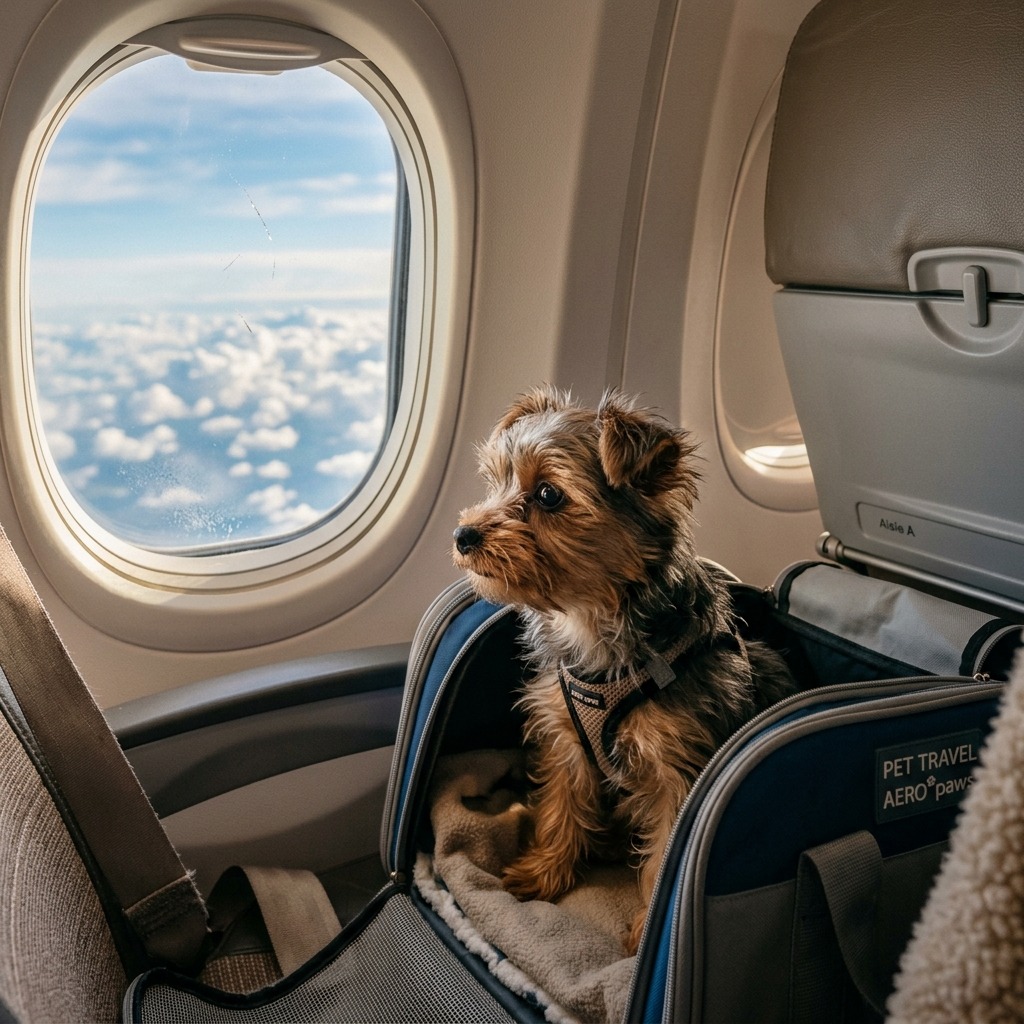
A genuinely pet-friendly airline does more than allow small dogs in the cabin. It offers clear, consistent policies across all aircraft types, transparent pricing, reasonable species acceptance, cargo options with climate control, and a booking process that doesn’t require three phone calls to confirm a single reservation.
Key criteria to evaluate include:
- In-cabin availability Can your pet fly under the seat on most routes?
- Species acceptance Does the airline go beyond cats and dogs?
- Fee transparency Are fees clearly published and applied consistently?
- Cargo safety Are compartments temperature-regulated and monitored?
- Booking convenience Can you book your pet online, or must you call?
In 2026, airlines like Alaska, Frontier, and several European carriers score highest across all five dimensions.
Which Are the Top 5 Most Pet-Friendly Airlines in 2026?
|
Rank |
Airline |
NerdWallet Score (/60) |
Forbes Rating (/5) |
In-Cabin Fee (one way) |
|
1 |
Alaska Airlines |
57 |
4.60 |
$100 |
|
2 |
Hawaiian Airlines |
56 |
3.95 |
$35–$100 |
|
3 |
Frontier Airlines |
51 |
3.05 |
$99 |
|
4 |
Delta Air Lines |
46 |
2.55 |
$150 |
|
5 |
Southwest Airlines |
42 |
2.40 |
$125 |
1 Alaska Airlines Best Overall
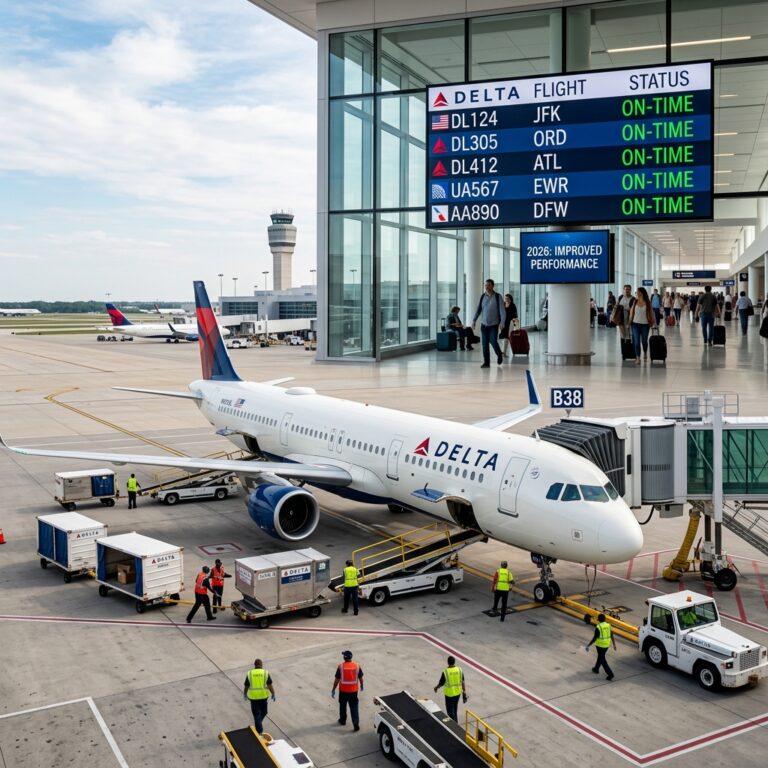
Alaska Airlines earned the highest score in NerdWallet’s 2026 analysis (57/60) for its competitive pricing, multi-species policy, and clear cargo options. In-cabin fees start at $100 each way $50 cheaper per segment than Delta, American, or United. A round-trip domestic flight with Alaska costs $200 in pet fees vs. $300 on the Big Three.
The airline accepts dogs, cats, and rabbits in the cabin, allows up to two pet carriers per passenger (with an adjacent seat purchase), and permits pets up to 150 lbs in its climate-controlled cargo hold for $200 each way. The one limitation: you must book pet travel by phone or chat rather than online.
Best for: Budget-conscious pet owners flying domestically with small-to-medium animals.
2 Hawaiian Airlines Best for Hawaii Residents
Hawaiian and Alaska share policies after their 2024 merger, but Hawaiian’s pet-friendly perks are largely limited to Hawaii-based travelers due to the state’s strict animal import laws. Within Hawaii, the in-cabin fee drops to just $35 the lowest available. Interestingly, Hawaiian reduced one of its fees in 2026 (from $125 to $100 for inter-island to mainland routes), a move almost no other airline made this year.
Best for: Hawaii residents traveling inter-island or to the mainland.
3 Frontier Airlines Best Budget Pick
Frontier charges $99 each way the lowest fee among major U.S. carriers and accepts the broadest range of species in the cabin: dogs, cats, rabbits, guinea pigs, hamsters, and small household birds. It also offers the most seamless booking experience, allowing you to add pets during initial reservation online. The trade-off: no cargo option for larger pets.
Best for: Budget travelers with small, non-standard pets (guinea pigs, rabbits, birds).
4 Delta Air Lines Best for Cabin Bird Travel
Delta accepts dogs, cats, and household birds in the cabin for $150 each way ($75–$200 for international). Cargo pet service is limited to active-duty U.S. military and State Department personnel on official orders. Delta doesn’t publicly disclose cargo fees for eligible passengers, which reduces its transparency score.
Best for: Bird owners and military families.
5 Southwest Airlines Most Consistent Domestic Policy
Southwest charges $125 each way for cabin pets (cats and dogs only) and applies this fee consistently across most domestic routes. It offers no cargo pet option, which limits its appeal for larger animals, but its straightforward policies and lack of carrier size ambiguity make it a solid choice for simple domestic trips.
Best for: Frequent domestic flyers with small dogs or cats.
Master Pet Policy Hub: 25+ Airlines Ranked
|
Airline |
In-Cabin Fee |
Cargo Option |
Species Beyond Cats/Dogs |
Online Booking |
|
Alaska Airlines |
$100 |
$200 |
Rabbits, reptiles, pigs |
No (call/chat) |
|
American Airlines |
$150 |
PetEmbark (varies) |
No |
Partial |
|
Delta Air Lines |
$150 |
Military only |
Birds |
Yes |
|
Frontier Airlines |
$99 |
Not available |
Rabbits, guinea pigs, hamsters, birds |
Yes |
|
Hawaiian Airlines |
$35–$100 |
$60–$200 |
No |
No (call) |
|
JetBlue Airways |
$150 |
Not available |
No |
Yes |
|
Southwest Airlines |
$125 |
Not available |
No |
Yes |
|
Spirit Airlines |
$110 |
Not available |
No |
Yes |
|
United Airlines |
$150 |
Military only |
No |
Partial |
|
JSX |
$100 (cabin); extra seat for large dogs |
Not applicable |
No |
Yes |
|
Lufthansa |
Approx. €50–€80 |
Yes (climate-controlled) |
Birds |
Yes |
|
KLM |
Approx. €50 |
Yes (Live Animal Program) |
Small domesticated animals |
Yes |
|
Air France |
Approx. €100 |
Yes (Pet Travel Program) |
No |
Yes |
|
Turkish Airlines |
Approx. $50–$100 |
Yes |
Birds |
Yes |
|
Air Canada |
CAD $50–$100 |
PetSafe Program |
No |
Yes |
|
British Airways |
Not in-cabin (cargo only for general pets) |
Yes |
N/A |
No |
|
Emirates |
Not in-cabin |
Yes |
N/A |
No |
|
RetrievAir |
From $1,004 |
Not applicable |
No (dogs/cats only) |
Yes |
|
Bark Air |
From $9,150 (NYC–London) |
Not applicable |
No (dogs only) |
Yes |
|
K9 Jets |
From $8,925 (NJ–London) |
Not applicable |
Dogs and cats |
Yes |
|
Aero |
Varies |
Not applicable |
Dogs and cats |
Yes |
|
Tradewind Aviation |
Free for pets under 100 lbs total |
Not applicable |
Dogs and cats |
Yes |
|
Skye Pet Travel |
From $9,990 (Dubai–London) |
Not applicable |
Dogs and cats |
Yes |
Fees shown are approximate and subject to change. Always confirm directly with the airline before booking.
Cabin vs. Cargo: Which Option Is Right for Your Pet?
The right answer depends on your pet’s size, breed, and temperament not your personal preference.
|
Factor |
In-Cabin |
Cargo Hold |
|
Pet size |
Small (under ~20 lbs with carrier) |
Any size |
|
Temperature control |
Ambient cabin air |
Regulated, but route/season dependent |
|
Owner oversight |
Constant |
None during flight |
|
Cost (domestic) |
$99–$150 each way |
$200+ each way |
|
Species accepted |
Varies by airline |
Broader (varies) |
|
Breed restrictions |
Fewer |
More (brachycephalic breeds often excluded) |
|
Risk level |
Lower |
Higher for anxious or health-compromised pets |
When to choose cargo: Your pet weighs more than 20 lbs, doesn’t fit in an under-seat carrier, or is too large for any current in-cabin program. Alaska Airlines and Hawaiian Airlines are the only major U.S. carriers offering general cargo pet service in 2026. Most others restrict cargo access to military or State Department personnel.
Temperature limits apply to both: Nearly all airlines prohibit pet travel in cargo when ground temperatures exceed 85°F or fall below 20°F. This affects routes through Phoenix, Las Vegas, and Tucson from May 1 through September 30 on carriers like American Airlines.
What Is the Best Airline for Pets on International Travel?
For international pet travel, Lufthansa, KLM, Air France, Turkish Airlines, and Air Canada are the strongest options in 2026. Each offers both in-cabin programs for pets up to 8 kg (including carrier) and dedicated cargo services with climate-controlled holds and real-time monitoring.
Lufthansa stands out for its animal lounge at Frankfurt Airport, where pets are prepared and monitored before departure. It’s the only major European carrier with a dedicated pre-departure pet facility of this kind.
Turkish Airlines is the top choice for routes between Europe, the Middle East, and Asia, with a comprehensive cargo program and detailed layover guidance for pet owners including recommendations for pet-friendly hotels and care during stopovers.
KLM offers a Pet Passport Service, connecting owners with veterinarians to ensure all documentation is in order before travel a genuine differentiator for first-time international pet travelers.
What Airlines Allow Pets in the Cabin on International Flights?
Most European carriers allow small pets (under 8 kg including carrier) in the cabin on international routes. U.S. carriers are more restrictive.
- Lufthansa: Cats and small dogs in cabin on most routes; 8 kg limit
- KLM: Dogs and cats in cabin; 8 kg limit; select international routes
- Air France: Dogs and cats in cabin; 8 kg limit; soft-sided carrier required
- Turkish Airlines: Dogs, cats, and birds in cabin; 8 kg limit
- Air Canada: Pets up to 7 kg (including carrier) in cabin on select international routes
- Alaska Airlines: Cabin pets on domestic U.S. routes only
- American Airlines: No carry-on pets on trans-Atlantic, trans-Pacific, or UK routes
- Delta Air Lines: International cabin pets available on select routes; fees range from $75–$200
Key exception: No major commercial airline allows in-cabin pets to Australia or New Zealand. Pets traveling to these destinations must fly as cargo on regular flights, or use specialized charter operators like Skye Pet Travel.
Which Airlines Allow Large Dogs in the Cabin?
No mainstream commercial U.S. airline allows large dogs (over ~20 lbs) in the main cabin. The exceptions are specialty and semi-private operators.
- JSX: Dogs up to 80 lbs can fly with the purchase of an adjacent seat ($100 per carrier for small pets; extra seat fare for large dogs). Up to five pets per flight. Routes cover domestic U.S. and Baja California, Mexico.
- Aero (semi-private): Dogs and cats of any size on domestic U.S. routes. Small pets under 20 lbs fly in a carrier; larger dogs require a purchased seat. Flights depart from Van Nuys Airport (Los Angeles).
- Tradewind Aviation: Dogs over 21 lbs fly for free if the total pet weight is under 100 lbs, or require a purchased seat above that threshold. Routes cover northeastern U.S., the Bahamas, and the Caribbean.
- RetrievAir: No weight or height limits. Pets fly on your lap, in your legroom, or in a reserved seat. As of 2026, routes connect Los Angeles, New York, Chicago, Dallas-Fort Worth, Denver, Fort Lauderdale, Seattle, San Francisco, Atlanta, and Tampa Bay. A NYC–Fort Lauderdale ticket with a medium dog in their own seat costs approximately $1,928.
- Bark Air: International routes from the U.S. to London, Paris, Athens, Dublin, Madrid, and more. Dogs fly loose in the cabin. A one-way NYC–London shared charter ticket starts at $9,150 per person/dog.
- K9 Jets: Dogs and cats on trans-Atlantic routes, primarily between New Jersey and London, Paris, and Lisbon. Starting price: approximately $8,925 one-way.
- Skye Pet Travel: For Australia and New Zealand-bound pets the only operator offering in-cabin pet travel to these destinations. Flights start at $9,990 (Dubai to London), rising to $23,990 for the London–Melbourne route.
What Is the Best Airline for Pets in Cargo?
For cargo pet transport, Alaska Airlines leads among U.S. domestic carriers, accepting most standard household species including non-poisonous reptiles and pot-bellied pigs for $200 each way in climate-controlled baggage and cargo holds. Pets up to 150 lbs are accepted.
For international cargo, Lufthansa, KLM, and Turkish Airlines are the top choices, operating fully pressurized, temperature-monitored holds and offering end-to-end animal transport support including documentation assistance and ground handling.
For military families, Delta and United also offer cargo options but only for active-duty U.S. military and State Department Foreign Service personnel on official orders.
American Airlines Pet Cargo: Cost, Phone Number & Reviews
American Airlines pet cargo operates under its PetEmbark® program through AA Cargo, designed for pets that can’t travel as carry-ons or as checked baggage (which is limited to military/State Department travelers only).
What Does American Airlines Pet Cargo Cost?
|
Travel Type |
Fee |
|
In-cabin (carry-on pet) |
$150 per kennel, each way |
|
Checked pet (military/State Dept only) |
$200 ($150 to/from Brazil) |
|
PetEmbark cargo |
Varies confirmed during booking |
PetEmbark fees depend on route, pet size, crate dimensions, and seasonal demand. There is no flat published rate; pricing is confirmed at time of booking.
American Airlines Pet Cargo Phone Number
To book or inquire about PetEmbark cargo transport, contact AA Cargo directly:
- Phone: 1-800-227-4622
- Email: PetEmbark@aa.com
If your shipment is within 72 hours, calling is required. Otherwise, online booking is available at aacargo.com.
Key Restrictions for American Airlines Pet Cargo
- No carry-on pets on trans-Atlantic, trans-Pacific, or UK-bound flights
- Temperature limits: PetEmbark will not transport animals when temperatures are above 85°F or below 20°F; acclimation letters from a vet are required for 20–44°F conditions
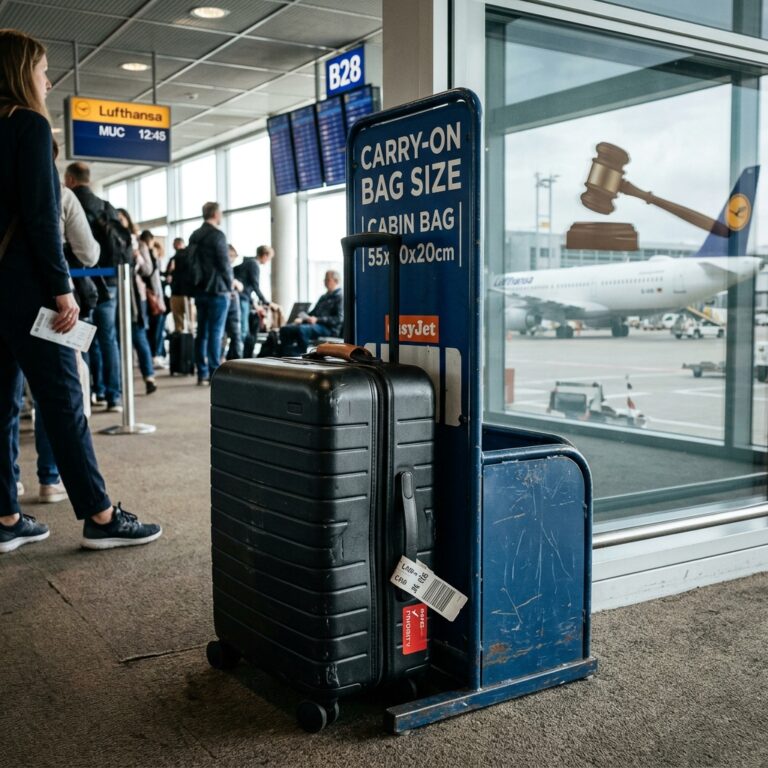
- Carrier dimensions: Soft-sided carriers must be 18 × 11 × 11 inches; hard-sided carriers vary by aircraft (American Eagle: 16 × 12 × 8 inches)
- CDC high-risk rabies country rule: Dogs that have been in a CDC high-risk rabies country in the past six months cannot travel as carry-on pets
- UK travel: Pets must travel as cargo, not as checked baggage, on routes to London Heathrow (LHR) and Manchester (MAN)
American Airlines Pet Cargo Reviews
Traveler reviews on TripAdvisor reflect mixed experiences. Drop-off and pick-up processes at major hubs are generally rated positively, with staff described as helpful and professional. Concerns are more frequently raised around documentation requirements, unexpected temperature-related rerouting, and communication delays for international shipments. The general advice from experienced travelers: contact PetEmbark@aa.com well in advance, have your USDA health certificate ready, and confirm your crate dimensions against your specific aircraft particularly for American Eagle regional segments.
What Are the Current Emotional Support Animal Rules for Airlines?
Under the Department of Transportation’s updated guidelines, emotional support animals (ESAs) are no longer classified as service animals on U.S. airlines. This means ESAs are now treated and charged as regular pets, subject to standard size restrictions, carrier requirements, and fees.
- United, American, Delta, and Alaska have all implemented the DOT change: ESAs of any kind are treated as pets
- Only fully trained service dogs qualify for no-fee, no-carrier in-cabin travel
- Psychiatric service animals may require advance documentation and specific airline forms
- Outside the U.S.: A small number of Canadian, Mexican, and South American airlines still permit ESAs, typically dogs under 10 kg, though policies vary by carrier and are subject to ongoing change
The DOT change was motivated in part by high-profile incidents involving improperly documented support animals, including large and exotic species. Government fines may apply for knowingly misrepresenting a pet as a service animal.
Should You Get Pet Travel Insurance?
Pet travel insurance can cover veterinary costs incurred during a trip, trip cancellation due to a pet’s illness, and in some cases, the cost of rebooking if a pet is denied boarding due to temperature restrictions or documentation errors.
When it makes sense:
- Long-haul international travel with older or health-compromised pets
- Cargo travel where weather-related rerouting is a real risk
- Booking non-refundable flights well in advance of travel
When it’s less necessary:
- Short domestic cabin travel with a healthy, young pet
- Travel on carriers like Frontier or Southwest with low fees and clear policies
Policies vary significantly between providers. When comparing options, prioritize coverage for trip interruption, emergency vet visits abroad, and quarantine costs the three most common and expensive scenarios pet owners encounter.
What Are the Best Tips for Traveling with Your Pet in 2026?
- Book early. Most airlines cap the number of pets per flight (Alaska limits eight carriers in the main cabin). Popular routes sell out pet capacity quickly
- Confirm your carrier dimensions per aircraft. A carrier that fits an Alaska Airlines 737 may not fit an American Eagle regional jet. Always check the specific aircraft type for every segment
- Check temperature forecasts before departure. Cargo travel can be cancelled or rerouted if temperatures exceed thresholds at any point on the itinerary, including connections
- Ask your vet about sedation. Most airlines don’t accept sedated pets in cargo. Vets generally recommend against sedation for flying, as altitude affects animals differently than ground-level sedation
- Pack familiar items. A blanket or toy your pet already uses reduces stress significantly a tip supported by most veterinary travel guidelines
- Prepare for the CDC Dog Import Form. Any dog entering the U.S. requires this form. Dogs with travel history to CDC high-risk rabies countries in the past six months face additional documentation requirements (updated February 2026)
- Call ahead to reconfirm. Even with a confirmed reservation, aircraft swaps can change under-seat dimensions or pet capacity limits. Call or check in 48–72 hours before departure
Frequently Asked Questions
What is the cheapest airline to fly with a pet in 2026?
Frontier Airlines charges $99 each way for in-cabin pets the lowest published fee among major U.S. carriers. Alaska Airlines ($100) and Southwest Airlines ($125) follow closely. For Hawaii residents, Hawaiian Airlines charges as little as $35 within the islands.
Can I fly with a large dog in the cabin on a U.S. airline?
Not on standard commercial airlines. JSX allows dogs up to 80 lbs with an extra seat purchase on domestic and Baja California routes. RetrievAir offers no weight limit on its pet-charter platform, with fares starting around $1,000 for small pets.
What is the weight limit for in-cabin pets on U.S. airlines?
Most U.S. airlines require the pet and carrier combined to weigh 20 lbs (9 kg) or less. The carrier itself typically must fit in the under-seat space dimensions vary by aircraft, ranging from 16 × 12 × 8 inches (American Eagle hard-sided) to 18 × 11 × 11 inches (standard soft-sided on American Airlines).
Are emotional support animals still allowed on planes in 2026?
Not under the same rules as before. Following DOT guideline updates, ESAs on U.S. airlines are now treated as regular pets subject to fees, carrier requirements, and size limits. Only trained service dogs qualify for no-fee, no-carrier in-cabin travel.
Which airlines fly pets as cargo in 2026?
Alaska Airlines and Hawaiian Airlines offer cargo pet service for the general public. Delta, United, and American Airlines restrict cargo pet access to active-duty U.S. military and State Department personnel on official orders. American Airlines uses the PetEmbark program (AA Cargo) for cargo-eligible animals.
How do I book a pet on American Airlines cargo?
Contact AA Cargo at 1-800-227-4622 or email PetEmbark@aa.com. Online booking is available at aacargo.com for non-urgent shipments. For travel within 72 hours, you must call directly.
What temperature restrictions apply to pet cargo travel?
Most airlines including American, Alaska, and Delta will not transport pets as cargo when ground temperatures exceed 85°F or drop below 20°F at any point on the itinerary. American Airlines adds a vet-signed acclimation letter requirement for travel in 20–44°F conditions.
Can I fly with my pet to Australia or New Zealand in the cabin?
No commercial airline permits in-cabin pet travel to Australia or New Zealand. All pets must travel as cargo on regular commercial flights, or as cabin passengers on specialized charter operators like Skye Pet Travel (starting from $9,990 for Dubai–London routes, with longer hauls from $23,990).
What documents does my dog need to enter the U.S. from abroad?
All dogs entering the U.S. require a CDC Dog Import Form. Dogs traveling from CDC high-risk rabies countries within the past six months face additional requirements. The CDC updated its web system for this form in February 2026 (receipt formatting changed; core requirements remain the same).
Is it safe to sedate a pet for a flight?
Most veterinarians advise against sedation for flying, as altitude and cabin pressure affect sedated animals differently than at ground level. Additionally, many airlines will not accept sedated pets in cargo. If your pet experiences significant travel anxiety, consult your vet about non-sedative calming alternatives.

Muhammad Naeem is a travel researcher with 5+ years of experience analyzing airline rules and global travel regulations. He specializes in simplifying complex airline policies to help travelers avoid extra fees and fly with confidence. His work focuses on accuracy, clarity, and up to date information across international carriers.