Star Alliance vs SkyTeam vs Oneworld 2026: Which Is Best?
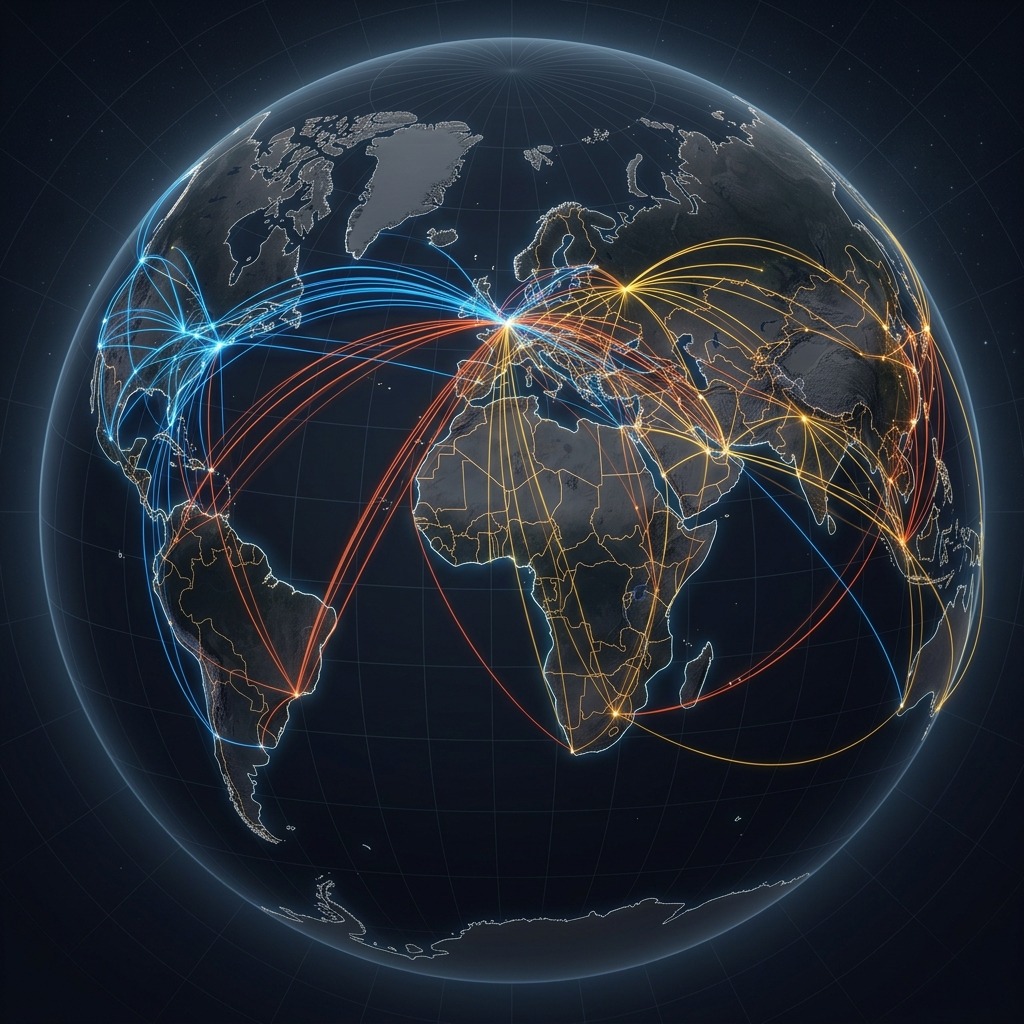
The three major airline alliances Star Alliance (26 carriers, 1,150+ destinations), SkyTeam (18 carriers, 945+ destinations), and Oneworld (13 carriers, 1,000+ destinations) each dominate different routes and offer distinct redemption sweet spots. The right alliance depends on your home airport, target destinations, cabin preference, and which loyalty programs you already use.
Picking the wrong alliance doesn’t just cost you lounge access it can cost you tens of thousands of miles on the same seat. Two travelers flying New York to Tokyo in the same business class cabin, on the same date, through the same Star Alliance carrier, might pay anywhere from 50,000 to 88,000 miles depending purely on which loyalty program they used to book. That’s the alliance optimization gap most travelers never close.
What Are the 3 Major Airline Alliances in the World?
The three major airline alliances are Star Alliance, SkyTeam, and Oneworld. Together, they connect hundreds of member carriers into shared networks where travelers can earn miles, redeem awards, access lounges, and receive elite status recognition across partner flights even when flying airlines they’ve never earned status with directly.
How many airline alliances are there in the world? Officially, three operate at global scale. Several smaller regional codeshare agreements exist, but Star Alliance (founded 1997), SkyTeam (founded 2000), and Oneworld (founded 1999) are the only alliances with comprehensive international networks, reciprocal elite status programs, and partner award booking across multiple continents.
Airline Alliances at a Glance: The 2026 Comparison Chart
|
Feature |
Star Alliance |
Oneworld |
SkyTeam |
|
Member Airlines |
26 |
13–15 |
18 |
|
Destinations |
1,150+ |
1,000+ |
945+ |
|
Daily Flights |
19,000+ |
9,800+ |
13,800+ |
|
Partner Lounges |
1,000+ |
700+ |
750+ |
|
Geographic Strength |
Europe, Asia-Pacific, Americas |
Trans-Atlantic, Pacific, Middle East |
Europe, North America, East Asia |
|
Flagship Carriers |
United, Lufthansa, Singapore Airlines, ANA, Air Canada |
American, British Airways, Cathay Pacific, Qatar Airways, Japan Airlines |
Delta, Air France, KLM, Korean Air, Virgin Atlantic |
|
Founded |
1997 |
1999 |
2000 |
What Are the Airline Alliance Members in 2026?
Star Alliance Members
- Aegean Airlines, Air Canada, Air China, Air India, Air New Zealand, ANA, Austrian Airlines, Avianca, Brussels Airlines, Copa Airlines, Croatia Airlines, EgyptAir, Ethiopian Airlines, EVA Air, LOT Polish Airlines, Lufthansa, Shenzhen Airlines, Singapore Airlines, South African Airways, Swiss International Air Lines, TAP Air Portugal, Thai Airways, Turkish Airlines, United Airlines
- 2026 update: ITA Airways joined Star Alliance in April 2026 following its acquisition by the Lufthansa Group.
- Upcoming departure: Asiana Airlines exits Star Alliance on December 16, 2026 (see below).
Oneworld Members
- Alaska Airlines, American Airlines, British Airways, Cathay Pacific, Fiji Airways, Finnair, Iberia, Japan Airlines, Malaysia Airlines, Qantas, Qatar Airways, Royal Air Maroc, Royal Jordanian, SriLankan Airlines
- 2026 update: Hawaiian Airlines joined Oneworld following its merger with Alaska Airlines, significantly expanding the alliance’s Pacific footprint. Oman Air is currently in the integration phase.
SkyTeam Members
- Aerolíneas Argentinas, Aeroméxico, Air France, China Airlines, China Eastern Airlines, Czech Airlines, Delta Air Lines, Garuda Indonesia, Kenya Airways, KLM, Korean Air, Middle East Airlines, Saudia, SAS (joined 2024), TAROM, Vietnam Airlines, Virgin Atlantic, Xiamen Air
Star Alliance: Who Should Choose It?
Star Alliance is the largest alliance by every metric carrier count, destinations, and daily flights. Its strength lies in breadth. For travelers who need to reach an unusually wide range of cities globally, no alliance comes close.
Top redemption sweet spots through Star Alliance programs:
- Air Canada Aeroplan ANA business class (New York to Tokyo): ~55,000–65,000 Aeroplan points for a seat retailing at $4,000–$7,000. Aeroplan charges no fuel surcharges on ANA and allows stopovers on one-way awards.
- Avianca LifeMiles Lufthansa business class (US to Europe): ~63,000 LifeMiles for a seat costing $3,500–$5,000 in cash. LifeMiles regularly runs Amex transfer bonuses of 40–125%.
- Turkish Miles&Smiles United domestic US: As low as 7,500–10,000 miles for domestic business class one of the cheapest domestic redemptions available anywhere.
Practical cost comparison: The same Lufthansa business class seat from the US to Europe can cost 88,000 United MileagePlus miles, 60,000 Avianca LifeMiles, or 50,000 Air Canada Aeroplan miles all through Star Alliance programs. Picking the wrong program costs 38,000 extra miles.
Best for: Travelers flying frequently to Asia-Pacific, those with Chase or Amex transferable currencies, and anyone prioritizing maximum destination coverage.
SkyTeam: Who Should Choose It?
SkyTeam’s transatlantic network is its defining strength. Delta, Air France, and KLM dominate Europe–North America corridors, and the alliance’s Asia presence is growing through Korean Air and China Eastern.
Top redemption sweet spots through SkyTeam programs:
- Flying Blue monthly promos (Air France/KLM): Promotional fares cut redemption costs 25–50% on specific routes, announced every month. Some business class awards reach half the standard rate during promo windows.
- Virgin Atlantic Flying Club → Delta One business class (US to UK): ~50,000 Virgin points for seats that Delta prices significantly higher through its own SkyMiles program.
- Korean Air SKYPASS → Delta domestic/Hawaii routes: Zone-based pricing that frequently undercuts SkyMiles on long domestic segments.
Best for: Travelers flying regularly between North America and Europe, Delta loyalists, and those who hold Amex or Capital One points (which transfer to Flying Blue).
Oneworld: Who Should Choose It?
Oneworld is the smallest alliance by carrier count but consistently punches above its weight in premium cabin quality. Qatar Airways Qsuite, Cathay Pacific business class, and Japan Airlines First Class all sit within this network.
Top redemption sweet spots through Oneworld programs:
- Alaska Mileage Plan Cathay Pacific first class (US to Asia): ~70,000 Alaska miles for a seat retailing at $8,000–$12,000. Alaska charges no fuel surcharges on Cathay.
- Iberia Plus British Airways business class (US East Coast to Madrid): ~34,000 Iberia Avios significantly cheaper than booking the same seat directly through British Airways Avios.
- Finnair Plus Oneworld partner business class (Europe to Asia): Zone-based pricing that undercuts British Airways Avios by 20–35% on select routes through Helsinki connections.
Best for: Premium cabin travelers targeting Asia-Pacific routes, luxury travelers, Amex or Chase cardholders targeting Cathay Pacific or British Airways redemptions.
Elite Status Tiers: How Do the Three Alliances Compare?
|
Alliance |
Tier 1 |
Tier 2 |
Tier 3 |
Key Benefits |
|
Star Alliance |
Silver |
Gold |
Lounge access (Gold only), priority boarding, extra baggage |
|
|
Oneworld |
Ruby |
Sapphire |
Emerald |
Lounge access (Sapphire+), priority check-in, priority security (Emerald) |
|
SkyTeam |
Elite |
Elite Plus |
Lounge access (Elite Plus only), priority boarding, guaranteed seat |
Key insight: Star Alliance Gold status unlocks partner lounge access across 1,000+ lounges globally the largest lounge network of the three alliances. Oneworld Emerald adds priority security screening at select airports, which no other alliance status tier offers as a standard benefit.
What Is the Best Airline Alliance for Asia?
The best airline alliance for Asia depends on which part of Asia you’re targeting. Star Alliance leads for Southeast and South Asia; Oneworld dominates premium Northeast Asia routes.
|
Sub-Region |
Best Alliance |
Key Carriers |
|
Japan |
Star Alliance or Oneworld |
ANA (Star), Japan Airlines (Oneworld) |
|
Hong Kong / East Asia |
Oneworld |
Cathay Pacific |
|
Singapore / Southeast Asia |
Star Alliance |
Singapore Airlines |
|
South Korea |
SkyTeam |
Korean Air |
|
India |
Star Alliance |
Air India |
|
Australia to Asia |
Oneworld |
Qantas, Cathay Pacific |
|
China |
Star Alliance / SkyTeam |
Air China, China Eastern |
For travelers connecting through Northeast Asia to reach Southeast Asia, Oneworld (Japan Airlines via Tokyo) often offers better premium availability than booking direct through Star Alliance, despite Star having more Southeast Asian carriers.
Which Airline Is Leaving Star Alliance in 2026?
Asiana Airlines will formally exit Star Alliance on December 16, 2026, at 23:59 Korea Standard Time. Asiana’s departure is a direct consequence of its merger with Korean Air, which is a SkyTeam member. Once the integration is complete, the combined carrier will operate under Korean Air’s SkyTeam membership. Travelers currently earning Star Alliance benefits through Asiana should redirect their activity to other Star Alliance carriers before the cutoff date.
What Airlines Are Not in an Alliance?
Not all major airlines belong to the big three. Notable independent carriers include:
- Emirates operates an extensive global network and maintains individual codeshare agreements but has never joined any alliance
- Ryanair, EasyJet, Wizz Air low-cost European carriers outside all alliances
- Southwest Airlines operates exclusively within the US with no international alliance membership
- IndiGo India’s largest carrier by capacity, currently alliance-independent
- Flydubai, Air Arabia Gulf low-cost carriers with no alliance affiliation
Practical note: Independent carriers often have bilateral partnerships that offer some reciprocal benefits (Emirates partners with Qantas, for instance, despite neither being in the same alliance). These are worth checking before assuming zero benefit.
How to Choose the Right Alliance for You
Answer these three questions before committing:
- Where do you travel most? Your target region determines which alliance has the strongest route coverage and partner award availability.
- What cabin do you prefer? Alliance selection matters far more in business and first class. Economy award pricing across alliances differs by only 5,000–15,000 miles; premium cabin differences can reach 40,000–80,000 miles for the same seat.
- Which transfer currency do you hold? Chase Ultimate Rewards transfers to United (Star) and British Airways (Oneworld). Amex Membership Rewards transfers across all three alliances (ANA, Avianca for Star; Flying Blue for SkyTeam; British Airways and Cathay for Oneworld). Capital One transfers primarily to Flying Blue (SkyTeam) and Turkish (Star).
Your existing transferable currency is the structural constraint it determines which programs you can fund and therefore which alliances you can access most efficiently.
What’s Changing in Airline Alliances in 2026 and Beyond?
The alliance landscape is actively shifting. Key developments to track:
- ITA Airways joins Star Alliance (April 2026), strengthening the alliance’s Southern Europe hub presence across Rome and Milan.
- Asiana Airlines exits Star Alliance (December 16, 2026) as the Korean Air merger consolidates South Korean capacity into SkyTeam.
- Hawaiian Airlines joins Oneworld following its merger with Alaska Airlines, adding significant Pacific Island connectivity to the alliance.
- SAS integrates into SkyTeam (joined 2024), improving Scandinavian access within the alliance.
- Korean Air–Asiana consolidation is expected to make SkyTeam’s Asian network significantly stronger once fully integrated.
Frequently Asked Questions
What are the three major airline alliances?
The three major airline alliances are Star Alliance (founded 1997), Oneworld (founded 1999), and SkyTeam (founded 2000). Together, they account for the majority of global scheduled international air travel, connecting hundreds of carriers into shared networks for mileage earning, award redemption, lounge access, and elite status recognition.
Which airline alliance is the largest in 2026?
Star Alliance is the largest airline alliance in 2026, with 26 member airlines, 1,150+ destinations across 190+ countries, and over 19,000 daily flights. Its network is the broadest of the three alliances by both carrier count and geographic coverage.
Can I earn miles on one alliance and redeem them with another?
No. Airline loyalty programs operate within their own alliance’s partner network. Miles earned in a Star Alliance program like United MileagePlus can only be used to book Star Alliance partner flights. The exception is transferable credit card currencies like Amex Membership Rewards, which can move points to programs across all three alliances before booking.
Which airline alliance has the best lounge access?
Star Alliance Gold status unlocks access to 1,000+ partner lounges globally the largest lounge network of the three alliances. Oneworld Sapphire accesses 700+ lounges, and SkyTeam Elite Plus covers 750+. Star Alliance’s lounge count advantage is most significant on routes through Asia, Europe, and Latin America.
What is the best airline alliance for premium cabin redemptions?
Oneworld offers the highest-value individual premium redemptions in 2026, particularly Alaska Mileage Plan’s access to Cathay Pacific first class (70,000 miles for seats worth $8,000–$12,000). Star Alliance’s Aeroplan is the most consistently strong program for business class across multiple long-haul regions.
Which airline alliance is best for frequent transatlantic travel?
SkyTeam is the strongest alliance for transatlantic routes in 2026. Delta, Air France, and KLM operate dense Europe–North America networks, and Air France Flying Blue’s monthly promotional awards can reduce business class redemption costs by 25–50% on specific transatlantic routes.
Why is Asiana Airlines leaving Star Alliance?
Asiana Airlines is leaving Star Alliance on December 16, 2026, as a direct result of its merger with Korean Air, a SkyTeam member. Once integration is complete, the combined carrier will fall under Korean Air’s SkyTeam membership. Travelers currently accruing Star Alliance credits through Asiana should transition activity before the departure date.
Are there airline alliances beyond the big three?
At global scale, only Star Alliance, Oneworld, and SkyTeam operate comprehensive international alliance networks with full reciprocal benefits. Smaller bilateral partnerships and codeshare agreements exist such as Emirates’s individual agreements with Qantas but these are not formal alliances and offer more limited reciprocal benefits.
What makes Flying Blue different from other alliance loyalty programs?
Air France/KLM Flying Blue is the only major alliance loyalty program that publishes monthly promotional award prices, reducing redemption costs by 25–50% on specific routes for a limited booking window each month. This dynamic pricing model makes SkyTeam’s award costs more variable but also more accessible for flexible travelers who monitor promo cycles.
Can you hold elite status in two alliances simultaneously?
Yes, but it requires maintaining qualifying activity within two separate loyalty programs. Some travelers hold status with a Star Alliance carrier (e.g., United 1K) and a SkyTeam or Oneworld carrier simultaneously, particularly those who split travel between different hub airports or regions. Maintaining dual status is generally only cost-effective for very high-frequency travelers with genuinely split itineraries.

Muhammad Naeem is a travel researcher with 5+ years of experience analyzing airline rules and global travel regulations. He specializes in simplifying complex airline policies to help travelers avoid extra fees and fly with confidence. His work focuses on accuracy, clarity, and up to date information across international carriers.




One Comment