Is ZIPAIR Safe: Safety Record, Ratings and Passenger Reviews
Yes, ZIPAIR is safe from an aviation standpoint. It flies modern Boeing 787-8 Dreamliners, operates under Japan Airlines’ (JAL) safety oversight, and has recorded zero major incidents since launching in December 2020. However, “safe” doesn’t mean “flawless” ZIPAIR’s low customer service ratings (1.6/5 on Trustpilot) and strict, non-refundable fare rules represent real risks worth understanding before you book.
Is ZIPAIR Safe?
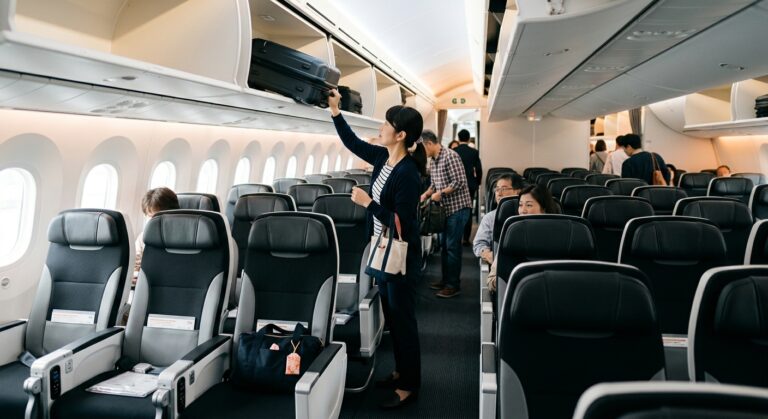
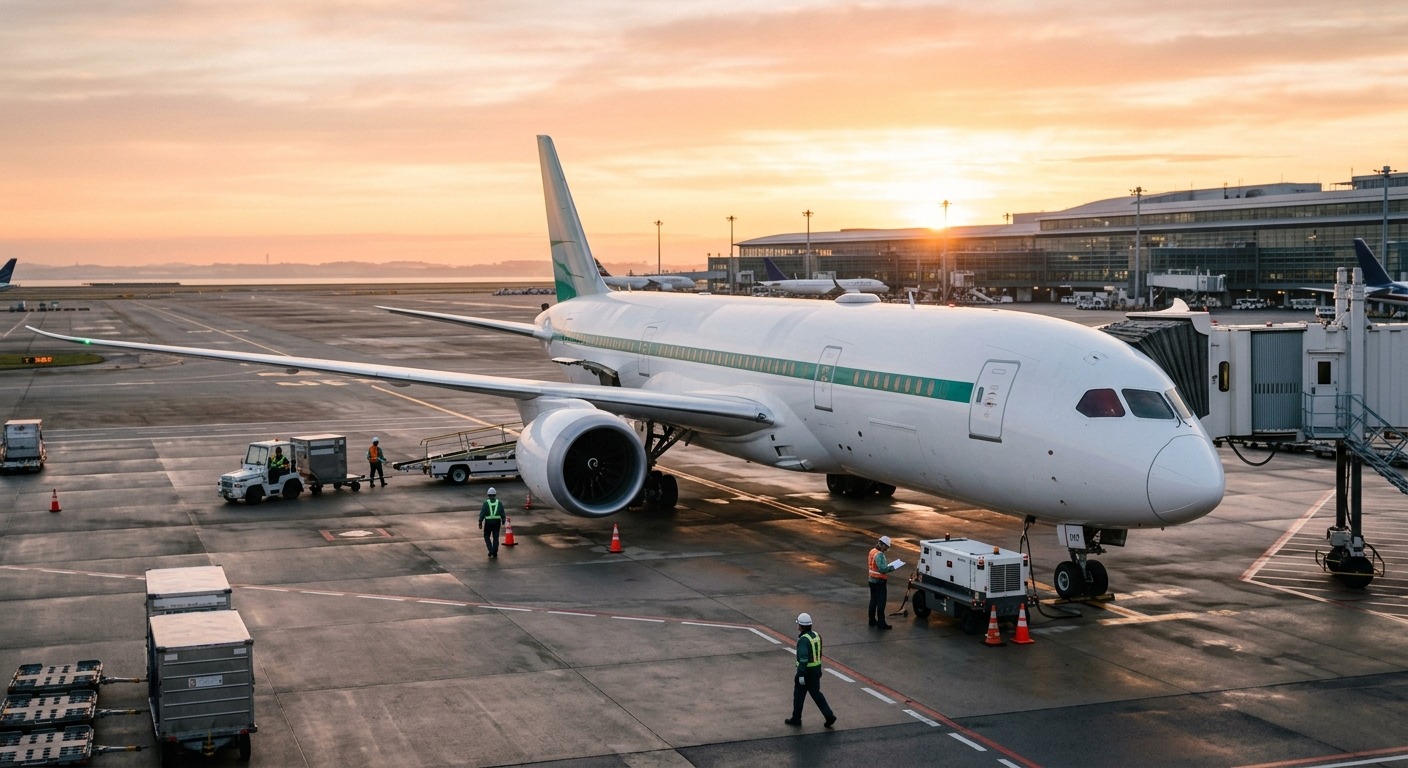
ZIPAIR is safe to fly. It operates exclusively Boeing 787-8 Dreamliners among the most technologically advanced aircraft in commercial service under the regulatory umbrella of Japan Airlines and Japan’s Civil Aviation Bureau (JCAB). Since its first passenger flight in December 2020, ZIPAIR has had no major safety incidents.
Where ZIPAIR earns criticism isn’t in the air, it’s on the ground and online: strict baggage enforcement, non-refundable tickets, and customer service reviewers frequently describe as unhelpful or rigid. Think of “safety” here in two separate buckets:
|
Safety Type |
ZIPAIR’s Standing |
|
Aviation/flight safety |
Strong modern fleet, zero major incidents |
|
Financial/booking safety |
Weak non-refundable fares, limited recourse |
|
Customer service reliability |
Weak 1.6/5 Trustpilot score |
Is ZIPAIR a Safe Airline to Fly With?
Yes. ZIPAIR is a certified subsidiary of Japan Airlines, operating under the same regulatory framework that governs JAL’s mainline fleet. Its aircraft undergo the same maintenance checks required of any commercial carrier flying into and out of the United States, Japan, and Southeast Asia.
A few things worth knowing:
- Parent company backing: ZIPAIR was founded in 2018 as a JAL subsidiary, inheriting JAL’s maintenance infrastructure and pilot training standards.
- Regulatory oversight: Flights are subject to oversight from Japan’s Civil Aviation Bureau as well as FAA acceptance standards for US-bound routes.
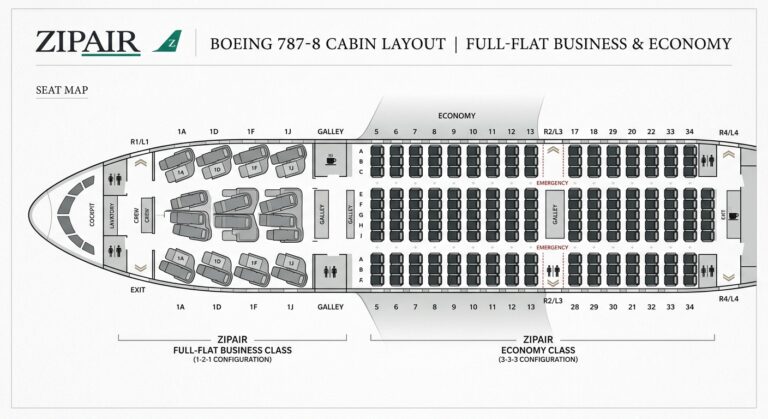
- Fleet age: ZIPAIR’s fleet consists of six Boeing 787-8 Dreamliners all relatively new aircraft, not older planes nearing retirement.
One nuance competitors often skip: being a JAL subsidiary doesn’t mean ZIPAIR shares the same call sign, staff, or service culture as JAL’s full-service flights. The aircraft and safety protocols are closely related; the passenger experience is not.
What Is ZIPAIR’s Safety Rating?
ZIPAIR doesn’t yet carry its own independent safety rating from major aviation safety trackers, largely because it’s a newer, smaller carrier with a limited flight history. However, parent airline JAL holds a 7/7 rating on AirlineRatings.com’s safety scale the highest possible score, reflecting full IATA Operational Safety Audit (IOSA) certification and a strong long-term safety record.
For context, a 7/7 rating from AirlineRatings.com means a carrier has passed IOSA certification, isn’t on the EU airline blacklist, and has avoided fatal hull-loss accidents in the past decade. Since ZIPAIR operates under JAL’s broader safety management system, it benefits from this rating by association even though it hasn’t been independently scored yet.
What Is ZIPAIR’s Safety Record?
ZIPAIR has operated since December 2020 without a single major incident or accident. Its on-time performance rating sits at 82%, which is respectable for a long-haul, low-cost carrier managing a small fleet and limited route network.
Here’s how that compares to typical industry benchmarks:
|
Metric |
ZIPAIR |
Industry Context |
|
Major incidents since launch |
0 |
N/A |
|
Years in passenger operation |
5 (since Dec 2020) |
Newer carrier |
|
On-time performance |
82% |
Comparable to many full-service carriers |
|
Fleet type |
Boeing 787-8 (6 aircraft) |
Modern, widely used widebody |
|
Fleet age |
New/modern |
Lower mechanical risk profile |
It’s worth noting that JAL itself faced public scrutiny in 2024 after a runway collision at Haneda Airport and a string of ground-handling mishaps reported by Japanese outlets. These incidents involved JAL mainline operations and ground procedures, not ZIPAIR aircraft or crews. Still, because the two brands are closely linked, it’s a fair question for safety-conscious travelers to ask and the answer is that ZIPAIR’s own operational record remains clean.
Is ZIPAIR Safe for Families and First-Time International Travelers?
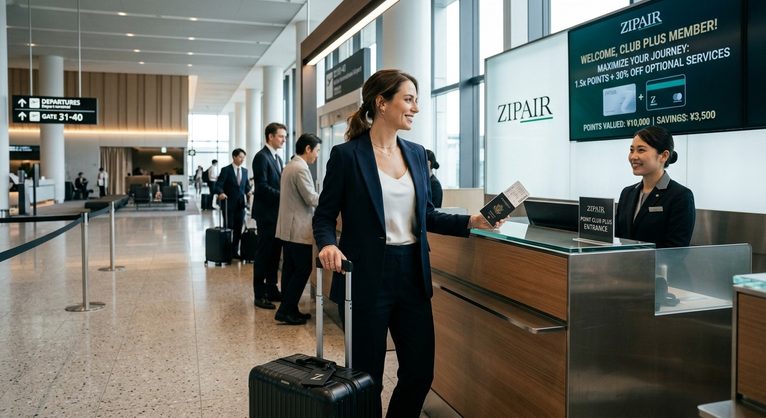
ZIPAIR is safe for families in the aviation sense, but its strict policies make it better suited to flexible, well-prepared travelers than to those who want built-in support. Children under 7 cannot sit in ZIP Full-Flat seats, and every passengermincluding infants needs an individual ticket, since lap-infant fares aren’t offered.
A few family-specific data points worth factoring in:
- Children ages 6 and under qualify for deeply discounted “U6” fares, often less than a third of the adult fare.
- Free car seats are provided for children ages 0–1.
- One adult is automatically seated next to a young child at no extra charge.
- Families should budget for food, since nothing is complimentary beyond a small bottle of water after takeoff in most fare classes.
First-time international flyers nervous about a language barrier can relax on that front: ZIPAIR’s gate agents and cabin crew are described as fluent in English across multiple traveler reports, and bilingual signage is standard throughout the booking and boarding process.
What’s the Real Cost of Flying ZIPAIR? (Worked Example)
A ZIPAIR base fare can look deceptively cheap until ancillary fees are added. A one-way San Francisco–to–Tokyo economy ticket priced around 400–670 can realistically land closer to 550–850 once you add a checked bag, seat selection, and a meal.
Here’s a sample breakdown for one adult flying SFO–NRT in Standard economy:
|
Item |
Estimated Cost |
|
Base one-way fare |
400–670 |
|
Checked bag (up to 50 lbs) |
$59 |
|
Seat selection (regular aisle/window) |
$25 |
|
In-flight meal |
11–20 |
|
Estimated total |
495–764 |
Choosing a bundle can soften the blow. ZIPAIR’s “Value” bundle covering a checked bag, seat assignment, and meal together typically runs around $85 per person each way, saving roughly 20% compared to purchasing each item separately. For travelers who want the lie-flat ZIP Full-Flat seat, round-trip business-class fares have been found as low as 1,645–1,668, still a fraction of what legacy carriers charge for comparable lie-flat seating.
Decision criteria: Choose the à la carte option if you only need one or two extras. Choose a bundle if you know you’ll want a meal, bag, and seat assignment together bundling consistently saves money over piecing it together individually.
What Do ZIPAIR’s Fare Rules Mean for Trip Flexibility?
ZIPAIR’s Standard fares are completely non-refundable and non-changeable. Once booked, you cannot switch to a different date, even by paying a change fee. The only exception is the newer Flex Biz add-on, which allows date changes for a fare-credit voucher (minus a 3% fee) if requested 30+ days before departure.
This is the single most common complaint source in passenger reviews, and it carries real financial risk:
- 30+ days before departure (Flex Biz only): Fare credit voucher, minus 3% fee
- 7–29 days before departure (Flex Biz only): 80% fare credit voucher
- Fewer than 7 days before departure: No changes permitted; only taxes refunded
- Standard fare, any timeframe: No refund, no change, no voucher
One Tripadvisor forum thread documented a traveler who lost over $2,700 after needing to cancel due to a medical emergency, receiving only a $195 refund of airport taxes. This underscores a practical rule: if you book ZIPAIR, purchase third-party travel insurance separately, since the airline’s own policies offer minimal built-in protection.
ZIPAIR vs. Full-Service Airlines: Which Should You Choose?
Choose ZIPAIR if your priority is the lowest possible fare and you’re comfortable managing your own meals, entertainment, and seat selection. Choose a full-service carrier like JAL or ANA if trip flexibility, included amenities, or responsive customer service matter more to you than saving money upfront.
|
Factor |
ZIPAIR |
Full-Service Carriers (JAL/ANA) |
|
Base fare (SFO–NRT economy) |
~400–670 one-way |
Often $900+ one-way |
|
Checked bag |
Extra charge (18–68) |
Usually included |
|
In-flight meal |
Extra charge (9–20) |
Included |
|
Seat-back entertainment |
None (BYO device) |
Included |
|
Ticket flexibility |
Very limited |
Moderate to high |
|
Customer service rating |
1.6/5 (Trustpilot) |
Generally higher |
|
Lie-flat seat availability |
Yes, from ~$1,645 roundtrip |
Yes, typically $3,000+ roundtrip |
What Do Passenger Reviews Say About ZIPAIR’s Safety and Service?
Passenger reviews consistently rate ZIPAIR’s aircraft and punctuality positively but criticize its customer service. Trustpilot shows a 1.6 out of 5 TrustScore across 60 reviews, with recurring complaints about baggage fee disputes, unresponsive support during disruptions, and rigid staff attitudes not aircraft safety.
Common themes from verified traveler feedback:
- Positive: Modern cabins, functional lie-flat seats, generally on-time departures, reasonably priced bundles.
- Negative: Difficulty reaching support during delays or cancellations, strict enforcement of baggage weight limits (including small overages), and reports of unhelpful staff during schedule disruptions.
- Mixed: Some travelers report smooth, uneventful flights; others describe significant frustration when something goes wrong, largely due to limited recourse options.
This pattern is common among ultra-low-cost carriers worldwide: the product performs fine under normal conditions but offers little flexibility or support when plans change unexpectedly.
Tips for Flying ZIPAIR Successfully
- Buy travel insurance separately. Given the strict non-refundable policy, third-party coverage is your main safety net for trip disruptions.
- Weigh your bags at home. Reviewers report fees charged for overages as small as a few hundred grams.
- Bring your own entertainment and headphones. There are no seat-back screens in either cabin.
- Pack snacks and a refillable water bottle. Food and most beverages, including water before takeoff, cost extra.
- Book directly through zipair.net. Third-party booking sites often lack the tools to select bundles, seats, or extras correctly.
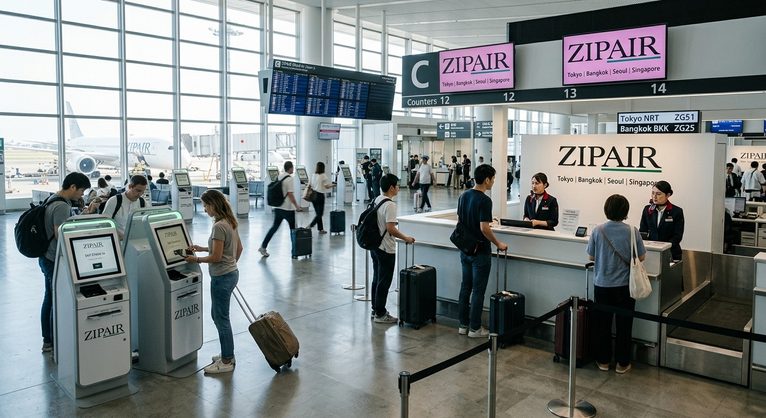
- Arrive early for check-in. Online check-in isn’t available at every airport, so ticket-counter lines can be long.
- Double-check passenger names against passports. Name mismatches (even shortened nicknames) have resulted in denied boarding.
Frequently Asked Questions
Is ZIPAIR owned by Japan Airlines?
Yes. ZIPAIR was founded in 2018 as a wholly owned subsidiary of Japan Airlines and began passenger flights in December 2020, operating independently but under JAL’s broader safety and maintenance framework.
Has ZIPAIR ever had a crash or major accident?
No. ZIPAIR has recorded zero major incidents or accidents since starting passenger operations in December 2020.
Does ZIPAIR fly older or used aircraft?
No. ZIPAIR’s fleet consists of six Boeing 787-8 Dreamliners, all relatively new aircraft types known for fuel efficiency and advanced safety systems.
Can I get a refund if I cancel a ZIPAIR flight?
In most cases, no. Standard fares are non-refundable; you can only reclaim a portion of taxes and fees. The Flex Biz add-on allows limited fare credit if changes are requested 30 or more days before departure.
Is ZIPAIR cheaper than Japan Airlines or ANA?
Yes, significantly. Base fares from the US to Tokyo can run under $700 one-way compared to $900+ on full-service carriers, though added fees for bags, meals, and seats narrow that gap.
Why does ZIPAIR have low customer service ratings despite being safe to fly?
Its 1.6/5 Trustpilot score reflects frustration with non-refundable fares, strict baggage enforcement, and limited support during disruptions issues unrelated to flight safety or aircraft condition.
Does ZIPAIR charge for carry-on bags?
Not for bags within the free allowance (two bags, combined 15.4 lbs). Overweight carry-ons incur fees ranging from $18 to $41 depending on the route.
Is ZIPAIR a good option for solo female travelers or first-time flyers to Japan?
Yes, from a safety standpoint. English-speaking staff and clear bilingual signage make the airport experience manageable, though travelers should prepare for self-service norms like mobile food ordering and no in-seat entertainment.
What happens if ZIPAIR cancels my flight?
If ZIPAIR cancels a flight, passengers receive a full refund. This differs from voluntary cancellations, which are subject to the non-refundable fare rules.
Is ZIPAIR’s business class (ZIP Full-Flat) safe and worth the price?
Yes on both counts. The cabin uses the same Boeing 787-8 aircraft and safety systems as economy, with lie-flat seating in a 1x2x1 configuration available for a fraction of typical business-class pricing often under $1,700 roundtrip.

Azeem breaks down airline baggage policies, fare-class benefits, and peak pricing rules into practical guidance for smooth trip planning. He verifies every fee and dimension against official airline sources so travelers can pack with confidence.