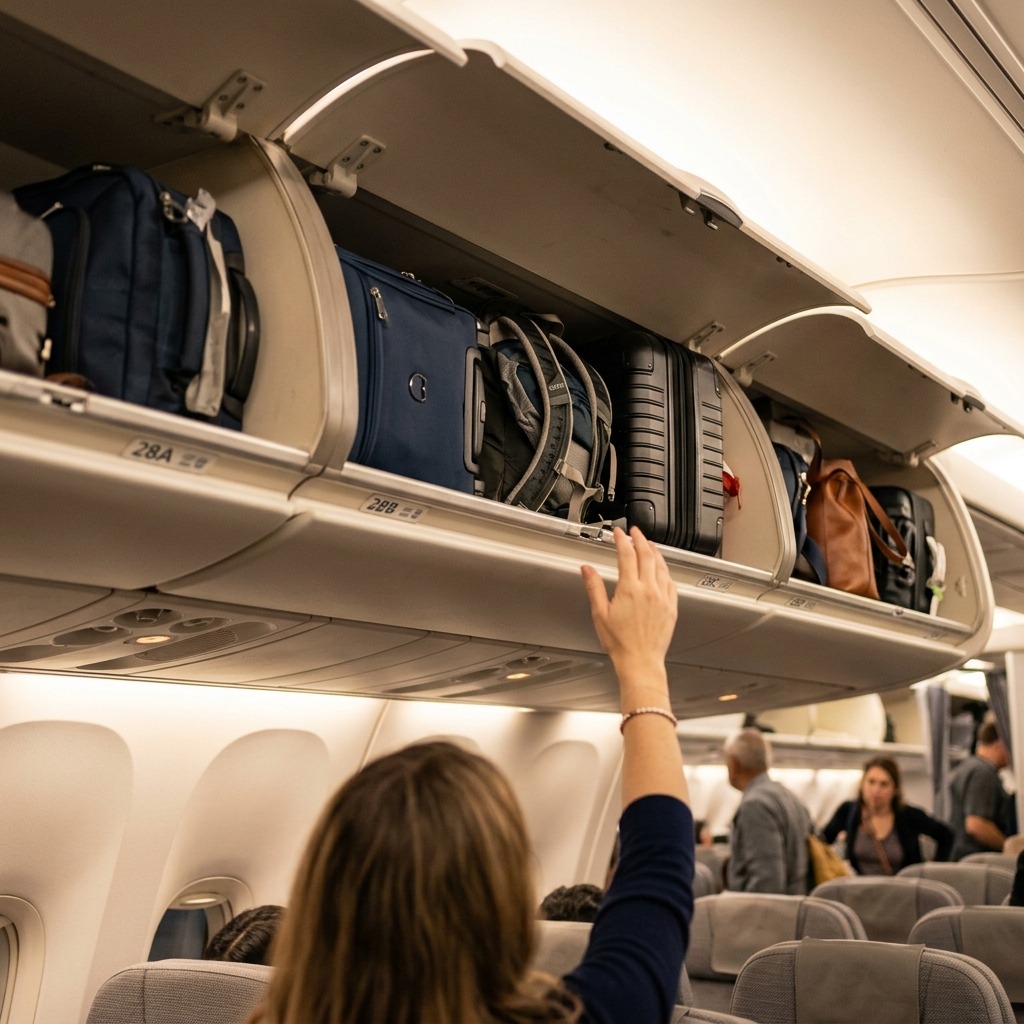
Jetstar Overhead Bin Fee February 2027 Priority Carry-On: New Carry-On Rules
Australian budget carrier Jetstar will charge passengers A$25–A$52 (approx. $18–$37 USD) to use overhead bins starting February 2, 2027 making it the first airline in the Asia-Pacific region to do so. A small personal item remains free. Several US carriers, including Frontier, Spirit, Allegiant, and Southwest, are positioned to follow.
Every few years, a fee appears that travelers swore would never happen. First it was checked bags in 2008. Then seat selection. Then priority boarding. Now, overhead bin access. Jetstar’s announcement in August 2026 confirmed what airline analysts had been predicting for years: the overhead compartment is the last major “free” cabin resource, and budget airlines are ready to monetize it.
For frequent flyers and budget-conscious travelers, this shift isn’t just an Australian story. It’s a preview of what’s coming to US skies and knowing which carriers are likely to follow next could save you real money.
What Exactly Is Jetstar’s New Overhead Bin Fee Policy?
Jetstar’s overhead bin fee, effective February 2, 2027, requires Economy passengers to purchase “Priority Carry-On” to store a larger bag in the overhead locker. The base fare includes only a free underseat bag. Priority Carry-On costs A$25–A$52 (approx. $18–$37 USD) per one-way flight and also includes priority boarding.
|
Item |
Old Policy |
New Policy (from Feb 2, 2027) |
|
Underseat bag |
Included (part of 7kg total) |
Included FREE (max 40×30×20cm) |
|
Overhead bin bag |
Included (7kg combined limit) |
Paid add-on (Priority Carry-On) |
|
Weight limit |
7kg combined carry-on limit |
10kg per bag (soft limit, not weighed) |
|
Gate bag weighing |
Routine |
Discontinued |
|
Priority boarding |
Separate purchase |
Bundled with Priority Carry-On |
The new overhead bag dimensions: up to 56×36×23cm. Passengers who purchase Priority Carry-On can also swap their overhead bag for a garment bag (max 114×60×11cm). Business Class passengers retain both a free underseat and overhead bag.
How Much Does Jetstar’s Priority Carry-On Cost by Route?
Pricing scales with flight distance. According to Jetstar’s August 2026 announcement, examples include:
|
Route |
Priority Carry-On Fee (AUD) |
Approx. USD |
|
Launceston → Sydney |
A$25 |
~$18 |
|
Sydney → Melbourne |
A$33 |
~$24 |
|
Cairns → Tokyo |
A$52+ |
~$37+ |
|
Melbourne → Tokyo |
A$86 |
~$62 |
|
Tokyo → Melbourne (return) |
A$108 |
~$78 |
Important: The Guardian’s real-world check on Jetstar’s website found Melbourne–Tokyo pricing significantly higher than the airline’s press release suggested. Always check current pricing at booking.
Is Carry-On Included With Jetstar After February 2027?
Yes, but only a small underseat personal item. Jetstar’s base Economy fare from February 2, 2027, includes one free underseat bag (max 40×30×20cm). A larger bag stored in the overhead bin requires a paid Priority Carry-On add-on. Customers traveling with an infant receive one additional free underseat bag for baby items.
What Is Jetstar’s New Carry-On Weight Limit?
Jetstar removed its previous 7kg combined carry-on weight limit. The new policy sets a 10kg soft limit per bag passengers are asked to keep bags under 10kg so they can safely lift them. Critically, Jetstar will no longer routinely weigh carry-on bags at the gate.
This is actually a passenger-friendly change embedded in an otherwise costly policy. Overweight carry-ons were a significant source of airport friction and gate fees under the old system.
How Did Airlines Get Here? A Brief History of Fee Creep
The overhead bin didn’t become a battleground overnight. The trajectory follows a predictable pattern.
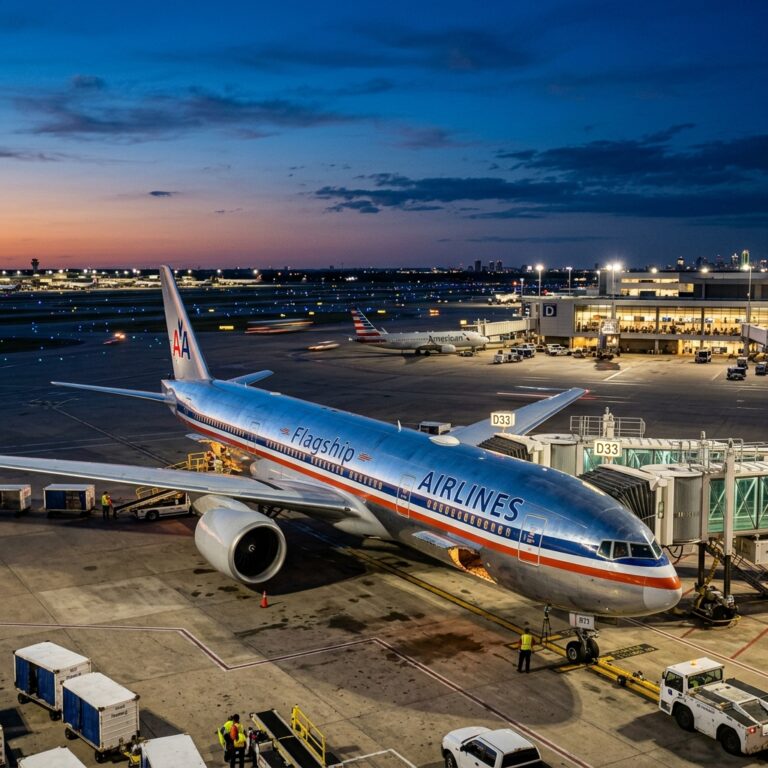
American Airlines fired the first shot in May 2008, charging $15 each way for the first checked bag at the time, an industry-wide shock. Within months, every major US carrier followed. Ancillary revenue proved too lucrative to ignore.
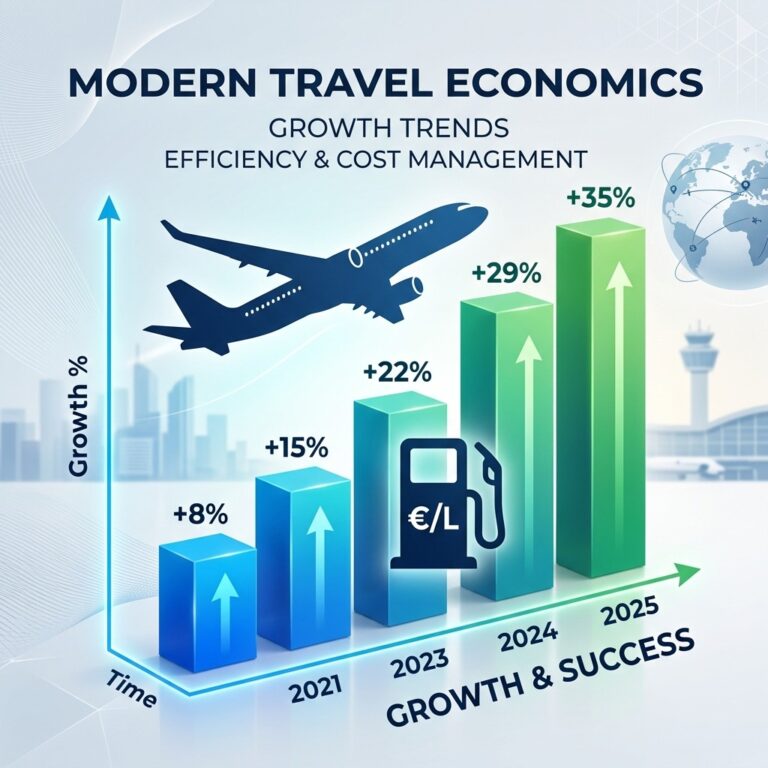
The numbers explain the momentum. According to IdeaWorksCompany’s 2025 Yearbook, ancillary revenue’s share of total airline income grew from 9.1% in 2016 to 14.9% in 2024, with a projected 15.7% in 2025. For budget carriers, that figure is considerably higher.
European low-cost carriers Ryanair, easyJet, Wizz Air pioneered the overhead bin fee model years ago. The European Parliament voted in January 2026 to grant passengers the right to two free carry-on bags, a direct response to consumer backlash. The European Council subsequently mandated that airlines display fares inclusive of carry-on baggage to improve price transparency.
Jetstar CEO Stephanie Tully framed the February 2027 change as a customer experience improvement: “By giving customers an underseat bag with the option to add Priority Carry-on, we can make better use of overhead locker space, streamline boarding and help more flights depart on time.”
Australian opposition Senator Bridget McKenzie called it a “cash grab.” Australia’s Federal Transport Minister Catherine King said airlines should prove fares wouldn’t increase as a result.
Which 4 US Airlines Are Most Likely to Charge for Overhead Bins Next?
The four US airlines most likely to introduce overhead bin fees are Frontier Airlines, Spirit Airlines, Allegiant Air, and Southwest Airlines. Frontier and Spirit have already restructured base fares to exclude carry-on overhead access; Allegiant’s aggressive ancillary model mirrors European budget carriers; and Southwest’s April 2026 checked bag fee reversal signals a broader pricing shift.
1. Frontier Airlines Already Charging, Effectively
Frontier Airlines has the most Jetstar-like model of any US carrier. Its base fare includes only a personal item. A carry-on bag that goes in the overhead bin costs extra, variable by route and booking window. The airline’s “Board First” add-on ($2.99–$14.99 per passenger) explicitly guarantees overhead bin space a precursor to a formal overhead bin access fee.
Gap vs. competitors: Most articles miss that Frontier has effectively implemented an overhead bin fee already, just branded differently.
2. Spirit Airlines Aggressive Ancillary Architecture
Spirit’s base fares exclude carry-on bags altogether. Passengers pay separately for any bag going into the overhead compartment, with fees varying by route, timing, and booking channel. The per-passenger gate fee for carry-ons exceeding allowances can reach $65+.
Spirit’s structure is the closest US analog to Jetstar’s Priority Carry-On model. Formalizing it as an “overhead bin access fee” similar to how Jetstar branded theirs would require minimal operational change.
3. Allegiant Air Budget Carrier Pricing Philosophy
Allegiant charges for both carry-on bags and checked bags on base fares, with carry-on fees ranging based on route and purchase timing. The airline’s entire pricing philosophy centers on low base fares with a la carte add-ons. An explicit overhead bin access fee fits directly within that model.
4. Southwest Airlines The Most Surprising Candidate
Southwest spent 53 years building brand equity around free checked bags. That identity ended when it introduced checked bag fees less than a year before raising them again to $45 (first bag) and $55 (second bag) in April 2026. The airline also ended open seating in January 2026 after 53 years.
Southwest still allows free carry-on bags in overhead bins but its willingness to abandon two of its most defining customer promises in under 12 months suggests the overhead bin is no longer sacred.
|
Airline |
Personal Item |
Overhead Carry-On (Base Fare) |
Current Overhead Bin Status |
|
Frontier |
Free |
Paid add-on |
Already effectively gated |
|
Spirit |
Free |
Paid add-on |
Already effectively gated |
|
Allegiant |
Paid |
Paid add-on |
Fee-based model active |
|
Southwest |
Free |
Free |
At risk; checked bag model shifted |
|
United (Basic Economy) |
Free |
Not permitted |
Carry-on banned outright |
|
American / Delta (Basic) |
Free |
Free (with restrictions) |
Unchanged for now |
Note: United’s Basic Economy already prohibits carry-on bags from overhead bins entirely on domestic routes, forcing upgrades or gate checks at cost.
What Does This Mean for Your Packing Strategy Over the Next 12 Months?
The most practical response to this trend isn’t outrage it’s adaptation.
Book carry-on fees at the time of purchase. On Jetstar, Frontier, and Spirit, fees escalate significantly at the gate. A $19 pre-purchased carry-on add-on can become a $65 gate fee.
Downsize intentionally. Jetstar’s new underseat allowance (40×30×20cm) is generous by underseat standards. A well-packed 20L daypack or a quality personal item bag can meet those dimensions on most routes.
Know your airline’s exceptions. Jetstar’s Policy includes: infants get a free extra underseat bag; Business Class retains both bags free; duty-free goods get a separate small bag allowance. These details routinely go unmentioned in competitor coverage.
For US travelers flying Frontier or Spirit: Treat carry-on fees the same way you’d treat checked bag fees. Buy them early, budget them into your total fare comparison, and measure your bags before arriving at the airport.
Frequently Asked Questions
When does Jetstar’s overhead bin fee start?
Jetstar’s overhead bin fee takes effect on February 2, 2027, for all Jetstar Airways (JQ) flights. Jetstar Japan (GK) flights and bookings departing before that date follow the old carry-on rules.
How much does Jetstar charge if your carry-on is over the personal item size?
If your bag exceeds the free underseat allowance (40×30×20cm) and you haven’t purchased Priority Carry-On, you’ll be charged at the airport typically at a significantly higher rate than the pre-purchased price. Jetstar’s pre-purchased Priority Carry-On ranges from A$25 to A$52+ per one-way flight.
Does Priority Carry-On include priority boarding on Jetstar?
Yes. Jetstar’s Priority Carry-On add-on bundles overhead bin access with priority boarding. You board earlier and are guaranteed bin space two benefits in one fee.
Can I still bring a garment bag on Jetstar after February 2027?
Yes. Economy passengers who purchase Priority Carry-On can swap their standard overhead bag for a garment bag (max 114×60×11cm). Business Class passengers can bring a garment bag in addition to their standard allowance.
Does Frontier Airlines already charge for overhead bins?
Effectively, yes. Frontier’s base fare excludes carry-on bags from overhead bins. Passengers pay a separate carry-on fee plus an optional “Board First” fee ($2.99–$14.99) to guarantee bin space. It’s functionally an overhead bin access fee under different branding.
Is United Basic Economy allowed to use overhead bins?
No. United’s Basic Economy fare explicitly prohibits carry-on bags in overhead compartments on domestic routes. Passengers receive only one free personal item; any carry-on bag must be gate-checked for a fee.
Will Southwest Airlines start charging for carry-ons?
Southwest hasn’t announced a carry-on fee as of August 2026. However, the airline introduced checked bag fees in 2025 and raised them to $45/$55 in April 2026 ending two of its core brand differentiators. Analysts consider Southwest the most likely major carrier to eventually introduce overhead bin fees.
Did Jetstar lower its base fares to offset the new overhead bin charge?
No. Jetstar has not indicated that base fares will decrease following the introduction of Priority Carry-On. Australia’s Transport Minister Catherine King specifically called on Jetstar to demonstrate that the change would keep fares affordable.
What is the carry-on weight limit on Jetstar after February 2027?
Jetstar removed its previous 7kg combined weight limit. The new soft limit is 10kg per bag passengers are asked not to exceed this for safety reasons, but bags will no longer be routinely weighed at the gate.
How did airline ancillary revenue grow to justify overhead bin fees?
According to IdeaWorksCompany’s 2025 Yearbook, ancillary revenue grew from 9.1% of total airline revenue in 2016 to 14.9% in 2024. For ultra-low-cost carriers, that share is substantially higher making overhead bin fees a logical next step in unbundling the flight experience.

Azeem breaks down airline baggage policies, fare-class benefits, and peak pricing rules into practical guidance for smooth trip planning. He verifies every fee and dimension against official airline sources so travelers can pack with confidence.

One Comment