Cape Air Baggage Policy: Fees, Size Limits & Rules 2026
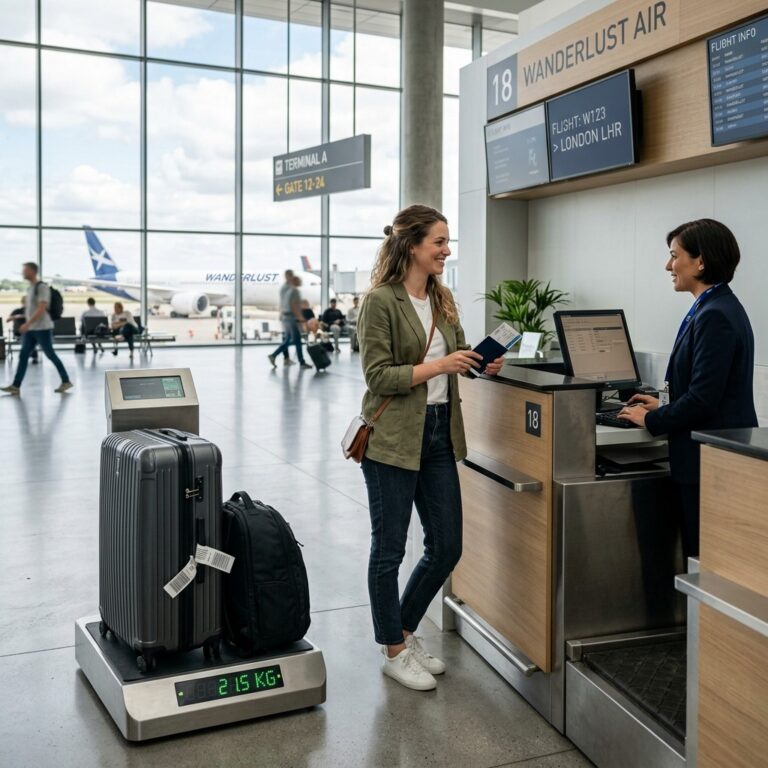
Cape Air allows one free personal item (max 36 linear inches) and one free carry-on bag (max 45 linear inches) per passenger. Checked baggage fees start at $30–$40 for the first bag depending on route, with a maximum weight of 50 lbs and 62 linear inches. Bags between 51–70 lbs incur an extra fee; no bag over 70 lbs is accepted.
Flying Cape Air for the first time? You’ll notice quickly that this isn’t your typical airline experience. Cape Air operates 9-passenger aircraft Cessna 402s, Tecnam Travellers, and Britten-Norman Islanders on regional routes across New England, Montana, the Caribbean, and Micronesia. The small cabin size makes baggage rules stricter and more nuanced than what most travelers are used to.
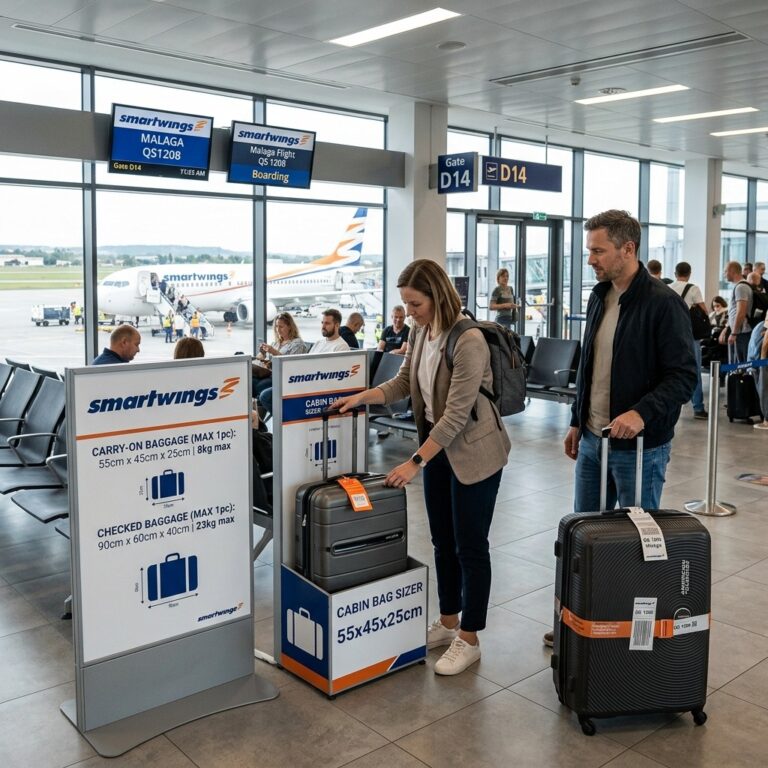
What Is Cape Air’s Carry-On Baggage Allowance?
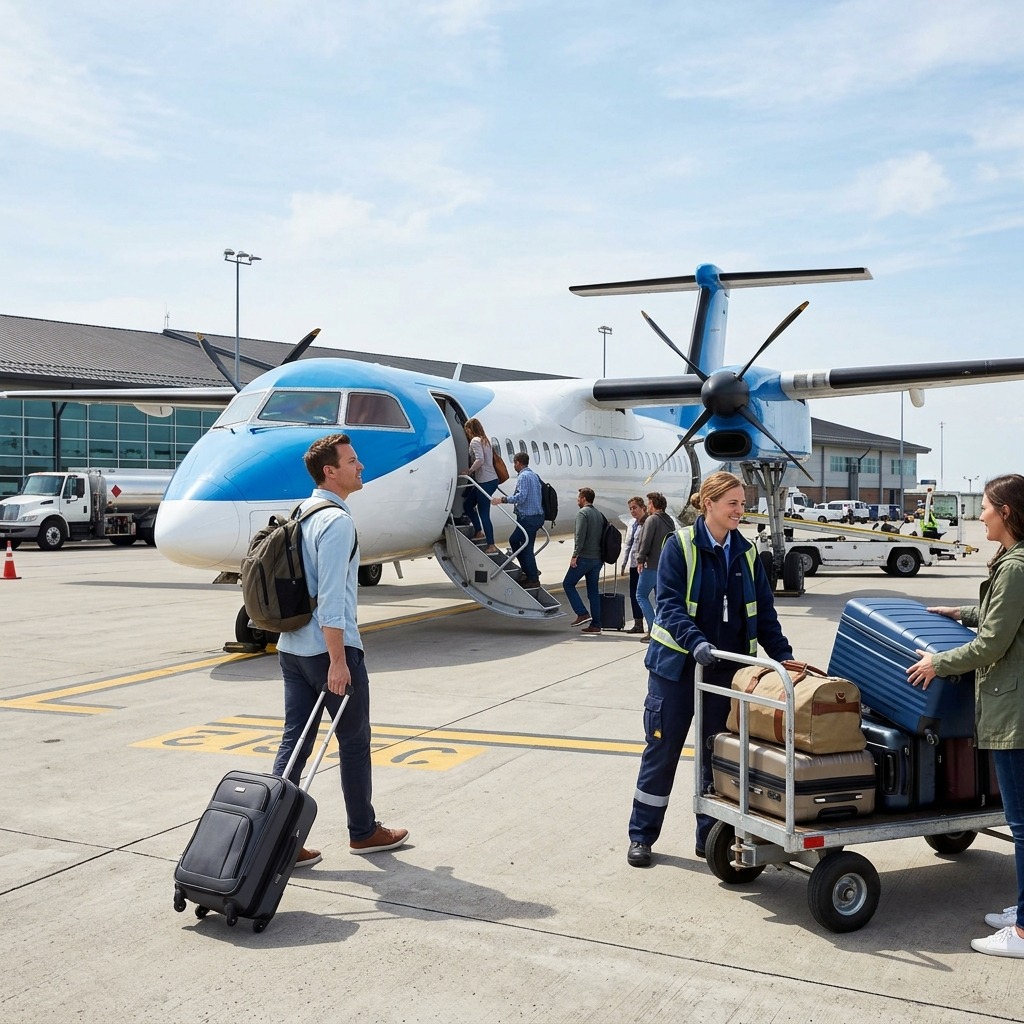
Cape Air permits each passenger one free personal item (up to 36 linear inches) and one free standard carry-on bag (up to 45 linear inches). However, because Cape Air’s aircraft have no traditional overhead bins, most bags are checked planeside handed to a crew member at the plane door and returned to you when you land.
What counts as a Cape Air carry-on?
A standard carry-on must not exceed 45 linear inches (length + width + height). A personal item such as a small purse, briefcase, or electronic device must not exceed 36 linear inches.
Cape Air carry-on size at a glance
|
Item |
Max Size |
Fee |
|
Personal item |
36 linear inches |
Free |
|
Standard carry-on |
45 linear inches |
Free |
Does Cape Air have overhead bins?
No and this is one of the most important things competitors overlook. Cape Air’s aircraft have no overhead storage. Here’s what actually happens by aircraft type:
- Cessna 402 / Britten-Norman Islander: No underseat or overhead storage. All personal items and carry-on bags are checked planeside and returned to you at arrival.
- Tecnam Traveller: Small personal items not exceeding 12″ × 6″ × 8″ may be stowed under the seat in front of you. Note that not all seats have under-seat space. Anything larger gets checked planeside.
Practical tip: Pack any valuables, medications, or items you’ll need during the flight in a bag small enough to meet the Tecnam’s underseat requirement: 12″ × 6″ × 8″.
What Is Cape Air’s Checked Baggage Allowance?
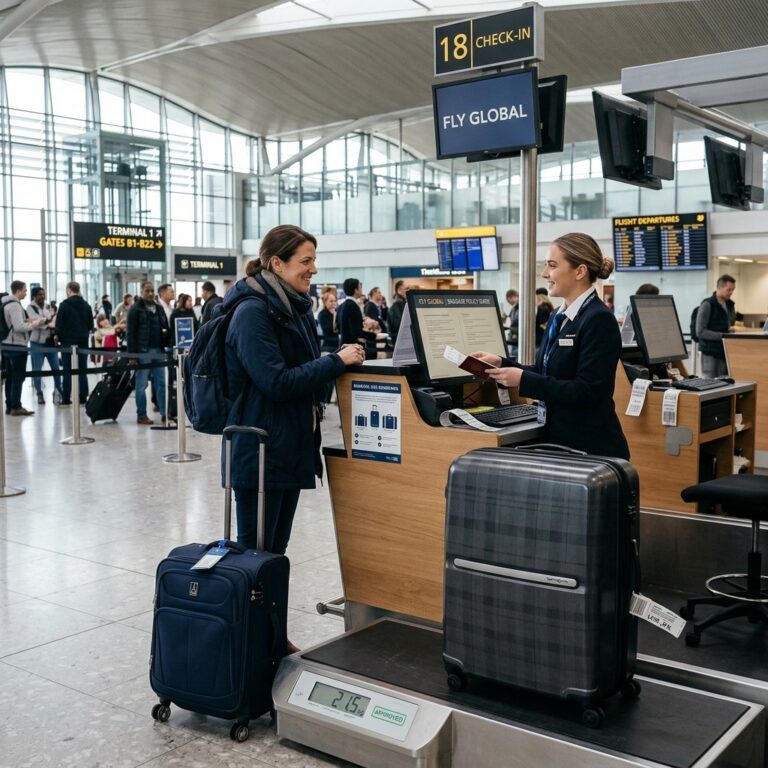
Cape Air includes one free checked bag (up to 45 linear inches and 50 lbs) for most itineraries. On certain shorter local routes such as Hyannis–Nantucket–Martha’s Vineyard passengers may instead bring up to three small bags totaling no more than 50 lbs combined as their free allowance.
Route-based free baggage allowance summary
|
Route Type |
Free Allowance |
|
All routes with a connecting airline on the same ticket |
1 bag up to 45″ |
|
Most Cape Air systemwide routes |
1 bag up to 45″ |
|
Hyannis ↔ Nantucket ↔ Martha’s Vineyard (and nearby) |
Up to 3 small bags, max 50 lbs total |
|
Billings ↔ Glendive / Glasgow / Havre / Sidney / Wolf Point |
1 bag up to 45″ OR up to 3 bags (max 50 lbs) at ticket counter |
What are Cape Air’s checked bag size and weight limits?
Each checked bag must not exceed 50 lbs and 62 linear inches (length + width + height). Bags between 51–70 lbs are accepted subject to space and incur an additional heavy bag fee. No bag over 70 lbs or 62 linear inches is accepted under any circumstances.
What Are Cape Air’s Baggage Fees?
Updated August 12, 2026: Cape Air revised its baggage fees for tickets issued on or after August 12, 2026. Popular routes including Boston–Nantucket, Boston–Martha’s Vineyard, JFK routes, and most Caribbean routes now fall into the higher fee tier.
Cape Air baggage fees (tickets issued on/after August 12, 2026)
|
Route |
1st Bag (≤50 lbs) |
2nd Bag (≤50 lbs) |
3rd Bag (≤50 lbs) |
Heavy Bag fee (51–70 lbs) |
|
Boston–Nantucket / Martha’s Vineyard / Hyannis / Provincetown |
$40 |
$50 |
$90 |
+$90 |
|
Boston–Islip, NY |
$40 |
$50 |
$90 |
+$90 |
|
JFK–Hyannis / Nantucket / Martha’s Vineyard |
$40 |
$50 |
$90 |
+$90 |
|
Westchester–Nantucket / Martha’s Vineyard |
$40 |
$50 |
$90 |
+$90 |
|
San Juan–St. Croix / St. Thomas / Tortola / Vieques / Virgin Gorda |
$40 |
$50 |
$90 |
+$90 |
|
St. Thomas–Anguilla / St. Barths / St. Croix / St. Kitts / Nevis |
$40 |
$50 |
$90 |
+$90 |
|
Billings routes, Boston–Maine/VT/NH, Caribbean inter-island |
$30 |
$40 |
$80 |
+$80 |
|
Any routes not listed above |
$40 |
$50 |
$90 |
+$90 |
|
All routes tickets issued on/before August 11, 2026 |
$30 |
$40 |
$80 |
+$80 |
Real-world cost scenario
A family of two flying Boston to Nantucket with two checked bags each:
- 2 × first bag ($40) = $80
- 2 × second bag ($50) = $100
- Total baggage cost: $180 one way
If one bag weighs 58 lbs, add another $90 for the heavy bag surcharge, bringing the total to $270 one way.
Can you prepay Cape Air baggage fees?
No. Cape Air does not allow passengers to prepay for baggage online. Fees are collected at the airport, subject to available space.
Who is exempt from Cape Air baggage fees?
- Active duty, Reserve, and National Guard military (including dependents and retirees) with a valid Military or Dependent ID are exempt from all baggage fees. Size and weight limits still apply.
- Strollers, car seats, canes, crutches, and collapsible wheelchairs are carried free of charge.
- Children (ages 2–18) receive the same baggage allowance as adults. Infants under 2 receive no additional allowance beyond what the accompanying adult already has.
What Items Are Restricted or Prohibited on Cape Air?
Cape Air prohibits the following from all checked and carry-on baggage:
- Hazardous materials (flammable liquids, explosives, bleach, drain cleaners, fireworks)
- E-cigarettes in any checked baggage or external compartments must be carried on person (but cannot be used onboard)
- Spare lithium batteries in checked baggage must be carried in the cabin with contacts protected
- Smart bags with non-removable lithium batteries not accepted on any Cape Air flight
- Hoverboards prohibited on all Cape Air flights due to fire risk
- Marijuana prohibited under federal law regardless of state regulations
For CPAP users: CPAP machines may be transported as checked or planeside baggage, but cannot be used onboard. Portable Oxygen Concentrators (POCs) may be transported but not used during the flight.
What Special Items Can You Bring on Cape Air?
Special items may be carried in place of one standard checked bag, subject to space. The applicable bag fee applies. These items must meet specific size limits and may not fit on all aircraft types.
|
Special Item |
Max Size |
|
Golf bag (in closed container) |
62 linear inches |
|
Fishing equipment (in case) |
70 linear inches (42″ on Tecnam) |
|
Hockey/lacrosse sticks + sports bag (up to 2 sticks) |
50 lbs |
|
Skis/snowboards (up to 2 pairs + boot bag) |
70″ on Cessna, 42″ on Tecnam |
|
Archery equipment (hard-sided case) |
70 linear inches (42″ on Tecnam) |
|
Scuba equipment (empty tank, valve removed) |
62 linear inches |
|
Antlers/animal horns (skull wrapped, tips protected) |
15″ × 30″ × 45″ |
|
Small coolers with dry ice / tool kits / duty-free bags |
42 linear inches, 50 lbs |
Items Cape Air will not accept under any circumstances: bicycles, canoes, kayaks, surfboards, longboards, skis over size limits, coolers over 42″, and any bag over 70 lbs or 62 linear inches.
What Is Cape Air’s Pet Policy?
Cape Air accepts domesticated cats, dogs, rabbits, and household birds in-cabin on most routes. The pet fee is $49 per carrier (covering up to two pets from the same household). Only one passenger per aircraft may travel with a pet, and advance notification is strongly recommended.
Cape Air pet travel rules at a glance
|
Detail |
Rule |
|
Accepted animals |
Cats, dogs, rabbits, household birds |
|
Fee |
$49 per kennel (up to 2 pets from same household) |
|
Max kennel size (Cessna 402 / Tecnam) |
28″ × 20.5″ × 20.5″ |
|
Max kennel size (JFK flights) |
17″ × 12.5″ × 8.5″ (max 20 lbs combined) |
|
Pets per aircraft |
1 household only |
|
Britten-Norman Islander |
No pets accepted |
|
Rabies vaccination |
Required |
For travel between Hyannis, Nantucket, Martha’s Vineyard, New Bedford, and Norwood, dogs under 80 lbs may travel without a kennel if kept on a leash or harness.
Smart Packing Tips for Cape Air Flights
- Pack light, pack flat. Because bags go planeside, they need to fit in the cargo compartment of a 9-seat aircraft. Soft-sided bags with some flexibility fare better than rigid hard cases.
- Keep medications and valuables on your person. Planeside-checked items are not accessible during the flight.
- Weigh your bag before you leave home. The difference between 50 lbs and 51 lbs costs you $80–$90 extra.
- Book your pet early. Only one pet per aircraft is permitted with a confirmed space. Call ahead.
- Check codeshare fees. If your first flight is on Alaska, American, Delta, JetBlue, or United not Cape Air the first carrier’s baggage fees apply, not Cape Air’s.
Frequently Asked Questions
Does Cape Air charge for the first checked bag?
On most routes, yes. First bag fees are $30–$40 depending on your route, for tickets issued on/after August 12, 2026. Some routes including local Cape Cod island hops include the first bag free.
What is the maximum bag weight Cape Air accepts?
70 lbs is the absolute maximum. Bags between 51–70 lbs incur an extra $80–$90 heavy bag fee on top of the standard checked bag fee. Bags over 70 lbs or 62 linear inches are refused.
Can I bring a carry-on bag on Cape Air?
Yes, but it won’t ride in the cabin with you on most flights. Bags up to 45 linear inches are permitted, but they’re typically checked planeside and returned to you when you deplane.
Does Cape Air have overhead bins?
No. Cape Air’s 9-passenger aircraft have no overhead compartments. The Tecnam Traveller allows small personal items (max 12″ × 6″ × 8″) under the seat; all other items are stored in the aircraft’s cargo area.
Did Cape Air raise its baggage fees in 2026?
Yes. For tickets issued on or after August 12, 2026, several popular routes including Boston–Nantucket, JFK–Martha’s Vineyard, and Caribbean routes saw first bag fees rise from $30 to $40, and heavy bag surcharges increase from $80 to $90.
Are military passengers exempt from Cape Air baggage fees?
Yes. Active duty, Reserve, National Guard, and retired military personnel along with their dependents are fully exempt from baggage fees when presenting a valid Military or Dependent ID. Weight and size limits still apply.
Can I bring my pet on Cape Air?
Yes on most routes. The fee is $49 per carrier for up to two pets from the same household. Only one household with pets is allowed per aircraft. Pets are not accepted on Britten-Norman Islander aircraft or certain Caribbean routes.
Does Cape Air allow smart bags?
Only if the lithium battery is removable and removed before travel. Smart bags with non-removable batteries are banned on all Cape Air flights.
Can I bring golf clubs or fishing gear on Cape Air?
Yes, as a special item in place of one checked bag (subject to space). Golf bags must be in a closed container and not exceed 62 linear inches. Fishing equipment must be encased and not exceed 70 linear inches (42″ on Tecnam aircraft).
Do partner airline baggage fees apply on codeshare Cape Air flights?
Yes. If your itinerary starts with a partner airline (Alaska, American, Delta, JetBlue, or United), that airline’s baggage fees apply not Cape Air’s. Frequent flyer or credit card baggage fee waivers from partner airlines only apply when travel originates with that partner airline.

Azeem breaks down airline baggage policies, fare-class benefits, and peak pricing rules into practical guidance for smooth trip planning. He verifies every fee and dimension against official airline sources so travelers can pack with confidence.